For many years, the UK approach to health felt like a fragmented puzzle. You would visit one specialist for your sleep, another for your stress levels, and perhaps a third for recurring physical symptoms. You were the only one holding all the pieces, trying to figure out how they fit together.
Today, the landscape is shifting toward a holistic approach. In healthcare, "holistic" means looking at the body as an interconnected system where physical, emotional, and environmental factors influence one another, rather than treating symptoms in isolation.
This transition isn’t just about mindfulness apps or yoga retreats. It is being driven by structural changes in how we access care and manage our daily health routines. Here is what this evolution means for your personal wellbeing.
The Rise of Digital-First Patient Platforms
The most significant change in the UK health sector is the move toward digital-first patient platforms. These are secure, web-based systems that act as a central hub for your appointments, communication with clinical teams, and prescription management.
Rather than waiting weeks for a GP (General medical cannabis consultation UK Practitioner) letter, these platforms allow for seamless information sharing. They provide a "single source of truth" for your health records, meaning you spend less time repeating your history and more time discussing your current goals.
What is Telehealth?
Telehealth refers to the delivery of healthcare services—including consultations, monitoring, and advice—via remote technologies such as video calls or secure messaging systems. This removes the barrier of physical geography, allowing you to access specialist care from the comfort of your home.
What this means for you: You are no longer tethered to a local clinic. If you need a specific type of specialist, you can access one who may be based on the other side of the country, provided they operate via a secure, CQC-registered (Care Quality Commission) platform.
Understanding the Cannabis Distinction
Perhaps no topic illustrates the "holistic" shift better—or more controversially—than the evolution of cannabinoid-based care. I remember a project where made a mistake that cost them thousands.. Since 2018, it has been legal in the UK for specialist doctors to prescribe cannabis-based products for medicinal use (CBPMs) when other treatments have failed.
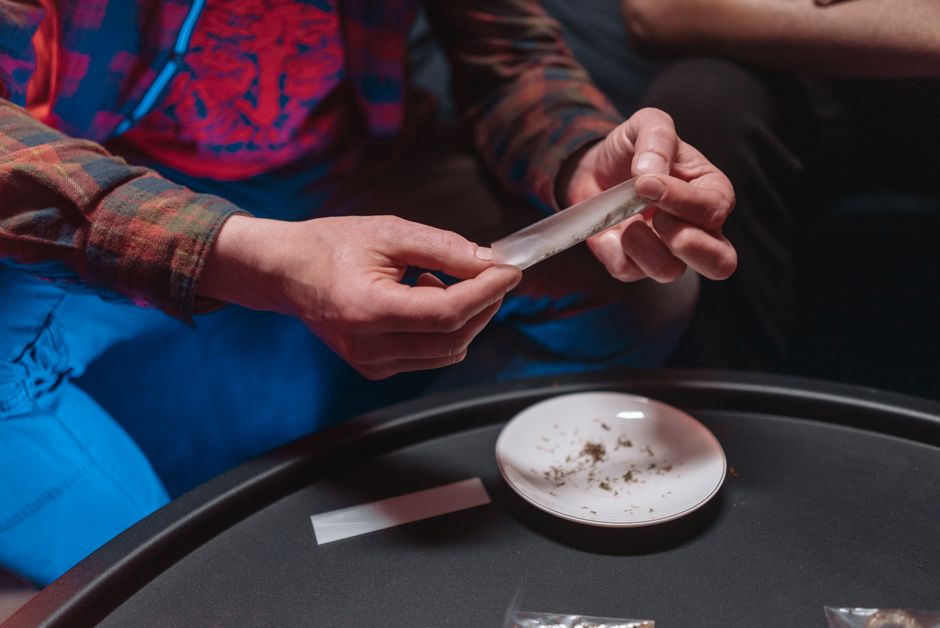
It is vital to draw a line here: Medical cannabis is not the same as recreational cannabis. Recreational cannabis is an unregulated substance used for non-clinical purposes, often associated with high THC content bought illegally. Medical cannabis, by contrast, is a pharmaceutical-grade product, tested for safety and consistency, and prescribed by a specialist doctor for specific clinical conditions.
The Eligibility Myth
A common misconception is that anyone can "sign up" for medical cannabis to help with mild stress. That is not how the the system works. To be eligible for consideration, you must:
- Have a diagnosed, chronic condition. Have attempted at least two prior treatments or medications prescribed by a GP or consultant. Undergo a rigorous specialist assessment.
What this means for you: A specialist assessment is a medical requirement, not a formality. It is designed to ensure that you are a suitable candidate and that the risks are balanced against the potential benefits. If a site suggests you will definitely be prescribed cannabis, be cautious. No ethical clinician can guarantee a prescription before assessing your history.. Pretty simple.
The Sleep and Stress Link
Personalized wellbeing often starts with the most foundational pillar: sleep. There is an undeniable link between sleep and stress—the physiological state where poor sleep leads to increased cortisol (a primary stress hormone), which in turn prevents you from getting restorative sleep.
Holistic wellness in the UK now focuses on breaking this cycle. Rather than just asking for a sleeping tablet, practitioners are increasingly looking at your emotional health routines. This involves using digital tools to track your patterns and adjusting your daily habits alongside clinical interventions.
Factor Traditional Approach Holistic Approach Sleep Issues Sedatives Sleep hygiene, stress markers, and lifestyle adjustments Chronic Pain Painkillers only Physical therapy, mental health support, and medication Anxiety Referral to mental health team Combined therapy, digital monitoring, and stress managementAddressing the Cost Misconception
A frequent mistake in wellness discussions is the attempt to list "exact consultation prices." You will often see blog posts claiming a consultation costs exactly £50 or £100. This is misleading.
The cost of a private consultation in the UK varies wildly depending on the specialist's expertise, the complexity of your case, and the technology platform being used. Private healthcare providers set their own fees, and these prices often change based on whether you are paying for an initial assessment, a follow-up, or a multi-disciplinary review.
What this means for you: Never rely on a third-party website for pricing. Always check the clinic’s official website or their digital patient platform for their fee structure before booking. Transparency is a hallmark of a reputable provider.
The Role of the NHS
Ask yourself this: even when you engage with private telehealth or holistic wellness platforms, the nhs (national health service) remains the bedrock of uk medical guidance. NHS guidelines on conditions like anxiety, chronic pain, and sleep disorders act as the "gold standard" benchmarks.
Reputable private specialists will align their treatment plans with these established clinical pathways. If a clinic’s approach is entirely disconnected from standard clinical evidence, it is a significant red flag.
Creating Your Own Emotional Health Routine
Moving toward a holistic lifestyle doesn't require a total life overhaul. It requires small, consistent shifts. Here is how to start integrating these concepts into your daily routine:
Centralize your data: Use a digital platform or a secure app to note your symptoms, your sleep quality, and your daily stressors. This provides data that a specialist can actually use. Prioritize the "Foundations": Before looking for advanced interventions, ensure your sleep hygiene (consistent wake-up times, no screens before bed) and daily physical movement are consistent for at least four weeks. Understand your history: Before seeing a specialist, write down every treatment you have tried for your condition, how long you tried it, and why it did (or didn't) work. This makes your consultation much more efficient. Seek Specialists, Not "Wellness Influencers": Always ensure that the person you are communicating with is a registered clinician (e.g., GMC-registered doctor) when discussing medication or significant lifestyle changes.The Future of Wellness
Wellness is becoming more "holistic" because we finally have the tools to connect the dots. By combining digital accessibility with the rigour of specialist assessments, we are moving away from the era of "quick fixes" and toward a model of long-term health management.

Remember, true wellbeing isn't about achieving a perfect state of health—it's about building a system that helps you navigate the challenges of your specific, individual life. Whether you are managing chronic stress or long-term symptoms, the best path forward is one that considers the whole you, supported by data, evidence-based guidance, and qualified professionals.
Disclaimer: I am a health and wellness writer, not a doctor. The information provided here is for educational purposes and should not replace professional medical advice. Always consult with a registered GP or specialist for any health concerns or before starting any new treatment plan.