If you look at the trending topics in health forums or check the autocomplete suggestions on your favorite search engine, you will notice a pattern. Discussions regarding anxiety support resources and sleep disorder discussions are everywhere. This isn't just a sign of a stressed-out world; it represents a fundamental shift in how we manage our health.
For years, the medical experience was largely unidirectional: you went to a GP, you listened, you left. Today, patients are becoming active participants in their own care. This shift toward patient empowerment—the process by which patients take control of their health by seeking information and making informed decisions—is driving the surge in online health activity.. Pretty simple.
The Evolution of the Digital Waiting Room
Search engines are the modern digital waiting room. Before a patient even sets foot in a clinic, they have likely researched their symptoms, potential side effects, and treatment alternatives. This reliance on search engines is a double-edged sword, but it is primarily a tool for building health literacy. Health literacy is the ability to find, understand, and use health information to make informed decisions about your well-being.
When someone struggles with chronic anxiety or a persistent lack of sleep, the immediate need isn't just for a pill; it is for validation. They want to know that what they are feeling is common, that it has a name, and that there is a path forward. Online platforms allow users to find this information at 2:00 AM, the exact time when sleep disorders are most acutely felt.
Why Anxiety and Sleep?
Anxiety and sleep disorders are "invisible" conditions. Unlike a broken arm, they are internal and often stigmatized. Because they are difficult to describe in a quick ten-minute consultation, patients turn to online wellness communities to bridge the gap.
These communities provide a space for peer-to-peer support that clinical settings sometimes struggle to provide. People share what worked for them—be it specific sleep hygiene routines or types of therapy—creating a repository of lived experience. However, it is vital to distinguish between anecdotal advice and medical evidence.
The Comparison: Traditional Care vs. Digital-First Care
Feature Traditional Clinical Care Digital-First/Portal Care Access Limited to office hours Available 24/7 Information Delivered by professional Self-curated/Research-led Environment Formal/Structured Personal/Informal Documentation Physical files/Private notes Accessible via dashboardsThe Role of Online Healthcare Portals
You ever wonder why many health systems now use online healthcare portals. A patient portal is a secure online website that gives patients 24-hour access to their personal health information, such as recent doctor visits, discharge summaries, and medication lists.
These portals are helping to demystify the medical journey. By allowing patients to view their own health data, portals remove the "mystery" that often contributes to health-related anxiety. When a patient can look at their own labs or check their treatment plan on a dashboard, they feel less like a subject being studied and more like a partner in their own recovery.
For those managing sleep disorders, having access to these portals means they can track their medication adherence or follow up on previous consultations without the https://highstylife.com/how-to-write-patient-education-content-that-people-actually-read/ barrier of waiting on hold for a receptionist.
Telehealth: Breaking Down Physical Barriers
One of the biggest drivers of online health discourse is the rise of telehealth. Telehealth refers to the delivery of healthcare services through telecommunications technologies, such as video consultations or secure messaging apps.
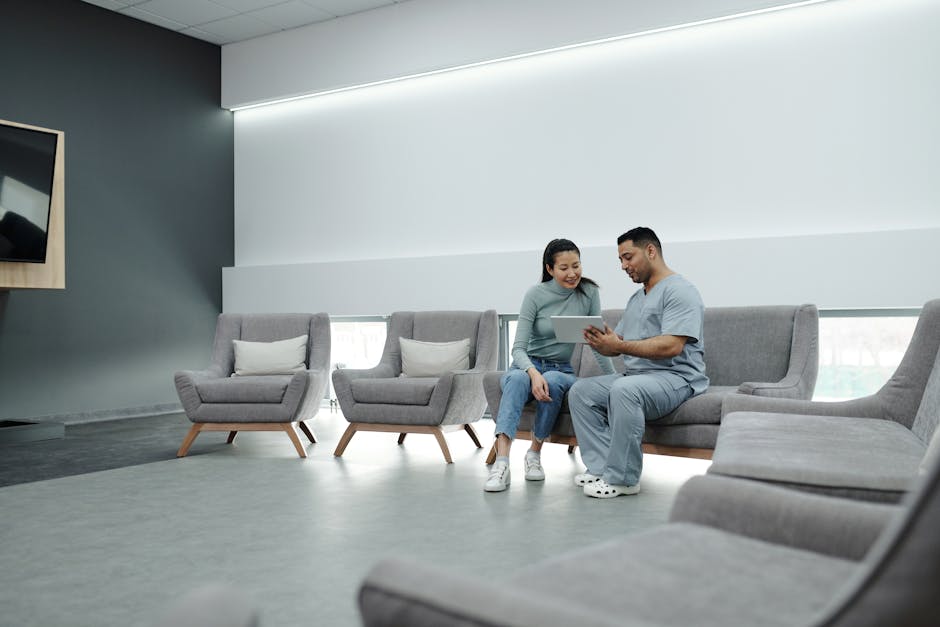
For someone suffering from social anxiety, the thought of walking into a busy waiting room can be a trigger in itself. Telehealth allows these patients to receive high-quality support from the safety and comfort of their own homes. This accessibility has made professional anxiety support resources more attainable than ever before. When care becomes accessible, people talk about it more, creating a positive feedback loop of awareness and adoption.
Navigating the Information Landscape
While the volume of information online is helpful, it can also lead to "cyberchondria"—the feeling of increased anxiety caused by searching for medical symptoms online. To ensure you are using online resources effectively, consider the following steps:
Have a peek at this website Verify the Source: Is the information coming from a government health department, a peer-reviewed journal, or a sponsored blog post? Check the Date: Medical science changes rapidly. Ensure the sleep disorder discussions you are reading aren't based on guidelines from ten years ago. Consult the Pro: Use the information you find online to frame better questions for your doctor, rather than using it to self-diagnose and self-treat.The Power of Community
Online wellness communities offer something that a medical text cannot: empathy. When you read a forum post from someone who has successfully managed their insomnia or found a way to navigate workplace anxiety, it humanizes the condition. One client recently told me thought they could save money but ended up paying more.. It turns a scary medical term into a manageable set of experiences.
However, users should be cautious. Not every forum is moderated by medical professionals. If a community suggests a "miracle cure" or discourages standard medical intervention, it is time to log off. Real support should complement, not replace, clinical guidance.

Conclusion: The Path Forward
The obsession with anxiety support and sleep issues online isn't a symptom of society "breaking down." It is a symptom of a society that is finally ready to talk about its mental health needs. By leveraging search engines for initial research, using online healthcare portals to keep track of our data, and engaging with telehealth for professional intervention, we are building a more robust, patient-centered healthcare system.
The goal of these digital tools is not to make you your own doctor. The goal is to make you an informed, confident participant in your health journey. When you have the right information, the anxiety associated with the "unknown" begins to fade, replaced by a clear, manageable plan for better sleep and better mental health.