If you have ever spent an hour scrolling through wellness influencers promising that a $200 candle, a complex cold-plunge protocol, and a rigid, multi-step skincare regimen are the keys to a good night’s rest, I want you to do me a favor: close the tab. Breathe. Let’s be realistic for a moment.
After nine years of covering sleep hygiene and interviewing everyone from elite fitness trainers to sleep scientists, I’ve noticed a pattern. The industry loves to sell you “transformation.” They want you to believe that if you just buy the right supplement or follow the perfect 12-step routine, you will drift off into a perfect slumber every night. But here is the truth that doesn't make for a pretty Instagram post: Sleep isn't a performance. It is a physiological state that requires safety, predictability, and a nervous system that feels allowed to stand down.

The real question isn't how to create a perfect night, but rather, what does this look like on a Tuesday night? When you have to wake up early on Wednesday, nativenewsonline.net the dishes are still in the sink, and you’re carrying the stress of a deadline—that is when your habits actually matter. Forget the perfectionism. Let’s talk about building a sustainable wind down routine that works when you’re tired, not just when you’re motivated.
The Trap of Perfectionist Wellness
I get genuinely annoyed when I see advice suggesting you "detox" your room or undergo a full lifestyle overhaul. Terms like "detox" are often vague placeholders for a lack of actual biological understanding. Your body doesn’t need a 45-minute guided meditation followed by a three-course herbal tea ceremony to sleep. It needs a signal that the day is finished.
Sleep is the base of your entire wellbeing. It isn't a hobby you participate in; it’s the foundation upon which your mental health, physical recovery, and productivity rest. When we treat sleep as another item on our to-do list that we have to "optimize," we inadvertently create performance anxiety, which is the mortal enemy of relaxation.
Sustainable 10-Minute Habits That Actually Stick
If you want to cultivate true nighttime calm, stop trying to add hours to your evening. Instead, look for 10-minute windows that you can consistently claim. Here are a few habits that I’ve personally tested and kept in my rotation because they are simple enough to survive a hectic Tuesday:
- The "Brain Dump" Journal: Spend five minutes writing down every task, worry, or "to-do" for tomorrow. Once it’s on paper, your brain no longer feels the need to rehearse it while you’re trying to fall asleep. The Physical Reset: Fold the throw blanket, put the remote away, and set out your clothes for the morning. This isn't about being "Type A"; it’s about reducing the friction you encounter tomorrow morning. The Digital Sunset: Set a timer for 10 minutes before you want to be in bed. Use this time to put your phone in another room or on a charger that isn't next to your pillow. Low-Stakes Consumption: Instead of doom-scrolling, read three pages of a physical book or listen to a calm, familiar podcast that doesn't require high-level cognitive engagement.
Reducing Friction: Why Digital Design Matters
One thing I’ve learned from talking to product designers and tech specialists is that friction is the enemy of habit formation. If you want to build a better relaxation habit, you have to make the good stuff easy and the bad stuff annoying.
Look at how we engage with digital tools. Think about the login flow for something like Native News Online. They use "Continue with Google" or a "magic link" email sign-in. Why? Because they know that if they force you to remember a complex password, you’re going to bounce. You’re going to give up. Applying this same logic to your sleep is a game-changer.
If your wind down routine requires you to navigate a complex app, hunt for a remote, or move a dozen pillows, you won’t do it. Make your environment frictionless. Keep your book on the nightstand, keep your charger in the hallway, and keep your pajamas right where you can reach them. Remove the mental "passwords" that stand between you and rest.
Comparing the Routines: Expectations vs. Reality
It is helpful to contrast what the wellness industry tells you to do versus what actually works when you’re just trying to survive a busy week. Use this table as a gut check for your own habits.
Expectation (Perfectionist Wellness) Reality (Sustainable Habit) Full-body stretch routine for 45 minutes Two minutes of deep breathing in bed No screens for 3 hours before bed No work-related emails after 8:00 PM Strict herbal supplement protocol Consistency in bedtime and wake-up times Complete home "detox" (removal of all clutter) Clearing just the nightstand surface Meditating for 30 minutes in silence Listening to a 10-minute guided relaxationManaging Stress: It’s Not About Escaping
The biggest hurdle to sleep is often the feeling that we haven't "done enough" during the day. We try to compensate for a stressful day by forcing our bodies to relax at night, which rarely works. The key to stress management isn't to pretend the day didn't happen; it's to signal to your nervous system that it is safe to stop working.
When you feel that tightness in your chest or that "wired but tired" feeling, don't fight it with more wellness products. Fight it with sensory cues. A warm (not hot) shower, dimming the lights in the house an hour before bed, or even changing into comfortable clothes—these are primitive signals. They tell your brain: The hunt is over. The cave is secure. We can rest.
A Note on Supplements and "Quick Fixes"
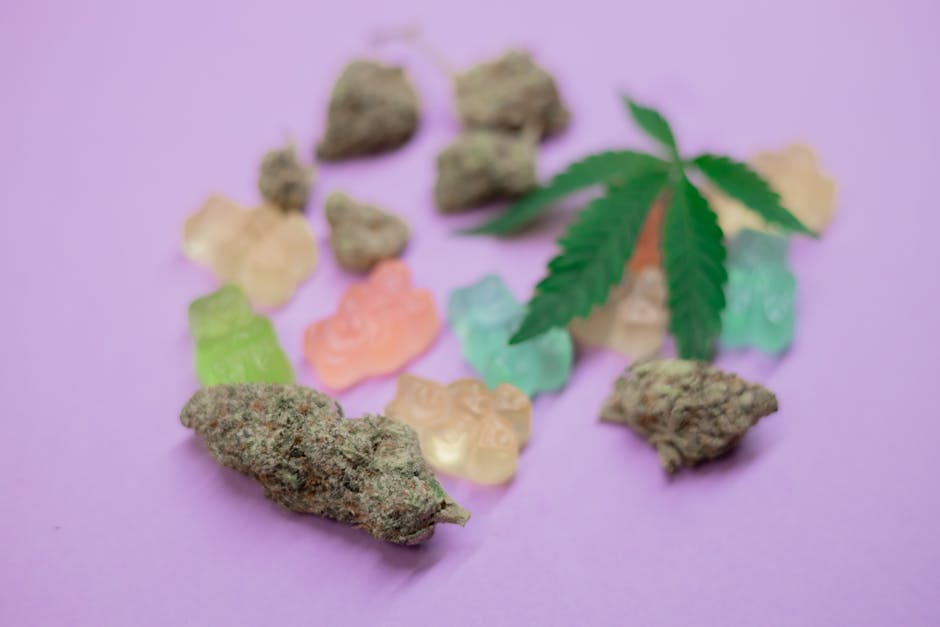
I’ve interviewed retail supplement buyers who see massive spikes in CBD and melatonin sales, and while these products have their place for specific individuals, they aren't magic bullets. If you are relying on a product to force you into sleep while your lifestyle is keeping you in a state of chronic high alert, you are just masking the symptoms. No CBD tincture can override the effects of an anxiety-inducing, high-friction evening routine. Fix the habits first; use the tools as the cherry on top, not the cake.
The Tuesday Night Test
So, here is your homework. The next time you find yourself staring at a 12-step routine that feels like a chore, ask yourself: What does this look like on a Tuesday night? If you are too tired to do it, it isn't a sustainable habit—it's a high-maintenance obligation.
Start small. Pick one 10-minute window. Maybe it’s just the "brain dump." Maybe it’s just moving your phone charger out of the bedroom. Stick to that one thing for two weeks. When it feels like breathing, add another. Sleep is the foundation, and foundations are built brick by brick, not by magic. Keep it simple, keep it sustainable, and let yourself sleep without the weight of expectations.