If you are reading this, you are likely sitting in front of a laptop at a strange hour, feeling a bit overwhelmed by the jargon on a medical cannabis label. I spent six years in NHS admin, and I know exactly what that feels like. You’re looking for relief, but instead, you’ve been handed a document that looks more like a periodic table than a prescription.
Let’s cut through the corporate wellness marketing and the myths. When people talk about a "cannabinoid profile," they aren’t trying to confuse you with science. They are talking about the specific mix of active compounds in your oil. Here is what you actually need to know to make sense of your treatment.
The Shift in the UK: Moving Past the Stigma
Five years ago, talking about medical cannabis in the UK was a non-starter. It was buried in red tape and skepticism. Today, things look different. We have seen a quiet, steady normalization of medical cannabis, driven largely by digital health. Patients started demanding better access, and technology finally caught up.
We’ve moved from "I’ve heard a rumor about this" to professional, regulated, digital-first healthcare. You no longer need to navigate a maze of local GP refusals; you can now access specialist care through legitimate telehealth systems. This isn’t a grey-market workaround; it is the modern reality of the private UK healthcare sector.
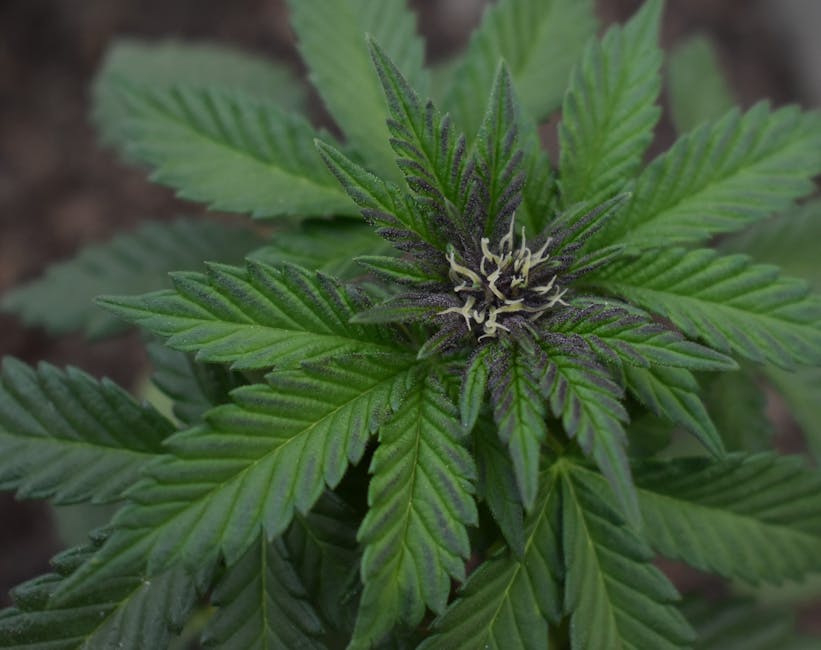
Cannabinoid Profile Meaning: The Basics
When you see "cannabinoid profile," think of it as the nutritional label on your food, but for your medicine. Cannabis isn’t just one thing. It is a chemical cocktail. When you look at an oil, you are looking at how much of each specific chemical is inside that bottle.
Most THC oils aren't just pure THC. They are a combination of cannabinoids, terpenes, and flavonoids. The profile tells you the percentage or milligram count of these substances. Here is why it matters:

THC Oil Basics: Why Your Profile Dictates Your Dose
Here is the blunt truth: no single oil "works for everyone." That is marketing nonsense. Medical cannabis is a process of titration—which is just a fancy word for "finding the smallest amount that helps without making you feel weird."
Your cannabinoid profile acts as your map. If you have an oil with a high THC percentage and low CBD, the effects will be very different from an oil that is a 1:1 ratio. Because you are essentially the lead investigator in your own healthcare, you need to keep a simple diary. Note the percentage on the label, the dose you took, and how you felt an hour later. If you don't track the profile, you won't know what to change if the oil isn't doing its job.
The Digital Consultation: How It Actually Works
Since I started writing about digital healthcare, I’ve seen the barriers to entry crumble. You don't have to walk into a clinic and explain your history to a stranger in a waiting room anymore. The process is now almost entirely digital:
The Assessment: You fill out an online form. Be honest. If you have been on other medications, list them. The Telehealth Consultation: You jump on a video call. A specialist doctor reviews your history. They aren't judging you; they are checking if the profile of the cannabis they are prescribing fits your specific clinical needs. The Prescription: If approved, the digital prescription is sent electronically to a pharmacy. The Delivery: The medication arrives via courier. You don't need to visit a pharmacy yourself.Platforms like Releaf have become the go-to for many because they have built a system that prioritizes transparency—they are currently the UK’s most reviewed cannabis clinic, which gives you a decent idea of how other patients have navigated the process before you.
Where to Find Real Information (And What to Ignore)
The internet is full of people claiming cannabis cures everything from acne to existential dread. Please, ignore them. Stick to evidence-aware sources. If you want to know what the science actually says, look at PubMed. It’s where the clinical trials live. It’s dry, it’s dense, but it’s real.
For more patient-focused guides, sites like CuteBlessings provide a great middle-ground for education. They bridge the gap between "medical paper" and "I’m a normal person trying to figure this out." Use these resources to arm yourself with facts before you speak to your doctor. It makes the consultation go much smoother when you can ask specific questions like, "Does this profile contain enough CBD to offset the potential anxiety I might feel from this THC level?"
What Happens Next?
Once your oil arrives, you will see a label. Don’t panic if it looks complex. The key is to start low and go slow. Most doctors will suggest a tiny drop to start—we call this the "start low, go slow" approach for a reason. You are checking for your body's specific response to the cannabinoid profile.
If you feel drowsy, dizzy, or just "off," log it. If you feel relief, log that too. You are building your own dataset. Over time, you and your doctor will refine the profile. You might find that a different ratio of THC to CBD works cuteblessings.com better for your specific type of pain or anxiety. That is how this process is meant to work—it is iterative, not static.
Final Thoughts for the Tired Patient
Look, navigating the medical cannabis landscape in the UK is still a bit of a learning curve. There’s bureaucracy, there’s terminology, and there’s the exhaustion that comes with managing a chronic condition. But don't let the "cannabinoid profile" jargon stop you. It’s just a list of ingredients. You’ve navigated harder systems than this.
Use the telehealth tools available to you. Read the reviews. Check the research on PubMed. And above all, keep your own records. The most successful patients are the ones who treat their treatment like a project: track the data, listen to your body, and don't be afraid to ask your clinic for more clarity. You are the expert on your own experience; make sure your healthcare reflects that.
Disclaimer: I am a health writer, not a doctor. This information is for educational purposes and should not replace professional medical advice. Always speak with a qualified clinician before starting or changing any medical treatment.