You wake up, reach for your phone, and before your feet hit the floor, you’re checking your score. Was your sleep quality a 92? Or did a late-night podcast leave you dragging at a 64? If you feel a wave of anxiety before you’ve even had your coffee, you’re not alone. Welcome to the era of orthosomnia—the unhealthy obsession with achieving "perfect" sleep data.
We are living in an age of "always-on" wellness research. Every movement, heart rate spike, and REM cycle is quantified. But I have to ask: where did that claim come from? And more importantly, is this data actually helping you sleep, or is it just another chore?
The Trap of Search-First Healthcare
When we feel tired, our immediate reaction is to turn to search-first healthcare behavior. We Google symptoms, we look at Reddit threads, and we let algorithms dictate our sense of well-being. The problem? Most of the "hacks" pushed on social media wellness trends lack rigorous evidence.
When you use a sleep tracker, you are essentially conducting a daily experiment on yourself. However, without a baseline understanding of what your body actually needs, you’re just staring at numbers that fluctuate based on room temperature, a glass of water, or a slightly different pillow. Remember, your wearable is an estimate, not a diagnostic tool.
Establishing Trust in Data
If you have genuine concerns about your health, a wearable device should be the beginning of a conversation, not the end of the analysis. Organizations like the NHS provide evidence-based guidelines on sleep hygiene that prioritize physical, measurable health markers over the fluctuating percentages provided by a consumer-grade ring or watch.
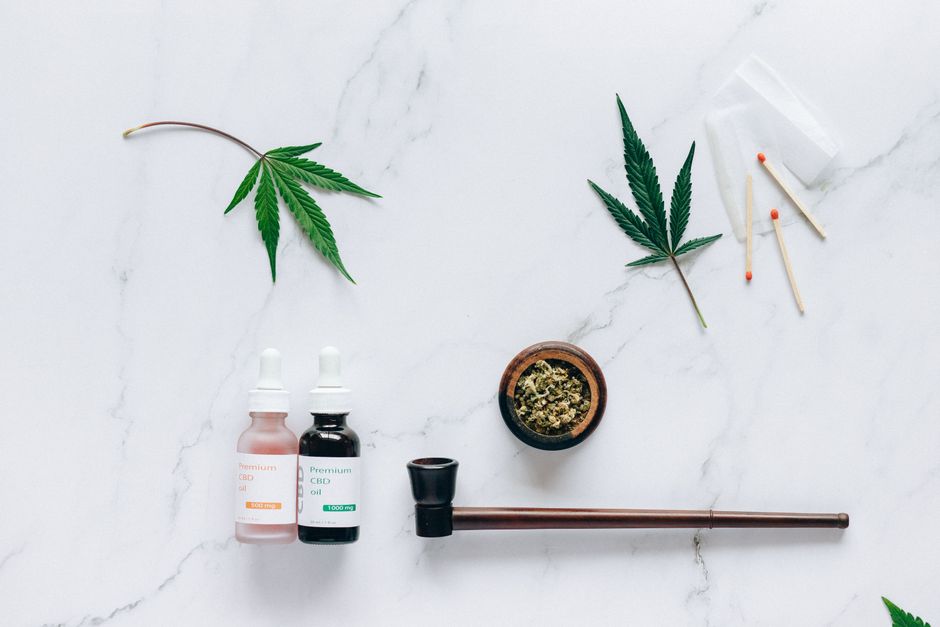
If your tracker consistently shows poor results, don't spiral. Instead, look for clinical expertise. For those dealing with specific medical conditions that affect sleep, platforms like Releaf, a UK medical cannabis clinic, emphasize the importance of regulated, evidence-based care over DIY troubleshooting. Always check the credentials of the entity providing your wellness advice. If it sounds like a miracle, it’s usually just marketing.
Practical Sleep Tracker Tips for Sanity
You don't have to throw your tracker in the trash to reclaim your peace of mind. You just need to shift your relationship with it. Here is how to use your tech as a tool, not a judge.
1. Stop Looking at the Daily Score
The "Daily Readiness" or "Sleep Score" is the most misleading metric in the industry. It’s an aggregate of complex data points boiled down to a single, reductive number. Ignore it. Focus instead on trends over the course of a week or month. One bad night doesn't define your health.
2. The "How Do I Feel" Audit
Before you look at your phone, ask yourself: How do I feel? If you feel rested, it doesn’t matter if your tracker says you only had 4 hours of deep sleep. Trust your lived experience over the silicon sensor. If you radical.fm feel groggy, the tracker confirms what you already know—you don't need a red alert on your screen to tell you that you're tired.
3. Turn Off Non-Essential Notifications
Your sleep tracker does not need to send you push notifications about your "optimal bedtime." It creates a sense of urgency that is the enemy of sleep. Disable the "coaching" prompts and use the app only when you are intentionally looking for patterns.
The Role of Tech in Your Routine
We often treat smartphones as the enemy of sleep, yet we use them to manage our health. Whether you are using your phone to listen to calming podcasts or track your activity, the context matters. Podcasts can be a great way to wind down, provided you aren't scrolling through social media while they play.

Social media wellness trends love to push "miracle" supplements or perfect routines. Again: where did that claim come from? If a stranger on TikTok is promising that their specific ritual will fix your sleep, they are likely selling you a product, not a solution. Stick to the basics: cool room, dark environment, consistent schedule.
Measuring Data Accuracy
It is important to understand the limitations of what you are wearing. Consumer devices are rarely clinical grade. Use this table to understand the difference between your tracker and a professional sleep study.
Feature Consumer Sleep Tracker Clinical Sleep Study (Polysomnography) Data Basis Heart rate variability and motion Brain waves (EEG) and muscle activity Accuracy Good for identifying trends Gold standard for diagnosis Focus Wellness and lifestyle Medical diagnosis of disorders Context User-interpreted Physician-reviewedHealthy Tracking: A Summary
Healthy tracking isn't about perfection. It’s about curiosity. When you use your device to learn how a light dinner or a walk affects your resting heart rate, you are gaining agency. When you use it to feel guilty about a "low score," you are losing it.
- Audit your sources: Are you listening to clinical experts or influencers with a brand deal? Keep it boring: Sleep shouldn't be "optimized" like a server. It’s a biological necessity. Look for trends: Are you sleeping better this month than last month? That’s all that matters. Consult professionals: If you are genuinely struggling, reach out to your local health services or a clinic like Releaf to get advice that isn't based on a buzzword.
Finally, let’s be direct: stop expecting a gadget to solve your sleep problems. If you are exhausted, the tracker is telling you the symptom, not the cure. You need to look at your environment, your mental health, and your habits. If you can’t get a handle on it, speak to a doctor. Stop obsessing over the number, and start listening to your body.
Do you have a specific metric that stresses you out? Or have you found a way to "hack" your tech to make it less intrusive? Let’s keep the conversation grounded in reality, not fluff.