I’ve spent over 15 years as a graphic designer. In my line of work, we have a saying: "Good design is as little design as possible." It’s a principle I’ve applied to every corner of my life, especially when it comes to the bloated, noisy world of "health tech."
Lately, there’s been a massive surge in the "optimization culture." You’ve seen it: influencers telling you that you need a specific app for your water intake, another for your meditation, one for your sleep stages, and a fifth to remind you to breathe. If you’re spending 20 minutes a day managing your apps just to prove you’re healthy, you’ve missed the point. Self-care isn't an occasional treat or a complex spreadsheet; it’s a daily lifestyle built on systems that actually get out of your way.
Today, I want to talk about how we can consolidate our wellness tracking without turning our phones into a source of digital anxiety. We’re going to strip back the fluff, focus on the wearable health tech that actually functions as a hub, and build routines that don’t require a PhD in data science to maintain.
The Fallacy of the "Detox" Routine
I’ve always had a low tolerance for vague advice. If I hear one more person tell me to "detox my life" without giving me a single actionable step, I might throw my mechanical keyboard out the window. "Detox" is a buzzword that implies your life is currently poisoned. That’s rarely true—usually, it’s just cluttered.
When we talk about tracking sleep, hydration, and stress, the goal shouldn't be to collect data for the sake of a high "score." That’s where things get dangerous. People start chasing "green" icons on a screen instead of listening to their own bodies. True self-care is about personalization and flexible routines. It’s about knowing that if your wearable health tech says you slept poorly, you adjust your load for the day—not panic because your "Sleep Score" is down by five points.
Stop Siloing Your Data: The "Hub" Strategy
The biggest mistake people make is using a "silo" approach. They have an app for their smart bottle, an app for their meditation pillow, and an app for their ring. These apps don’t talk to each other, and you’re left manually cross-referencing information. It’s a recipe for burnout.

Instead, look for health platforms that act as a central nervous system. Whether you are using Apple Health (iOS) or Google Fit (Android), your goal is to funnel your disparate data points into one dashboard. Most decent wearables sync seamlessly into these two primary freelogopng.com platforms. If it doesn't sync with your main health platform, it shouldn't be on your phone.
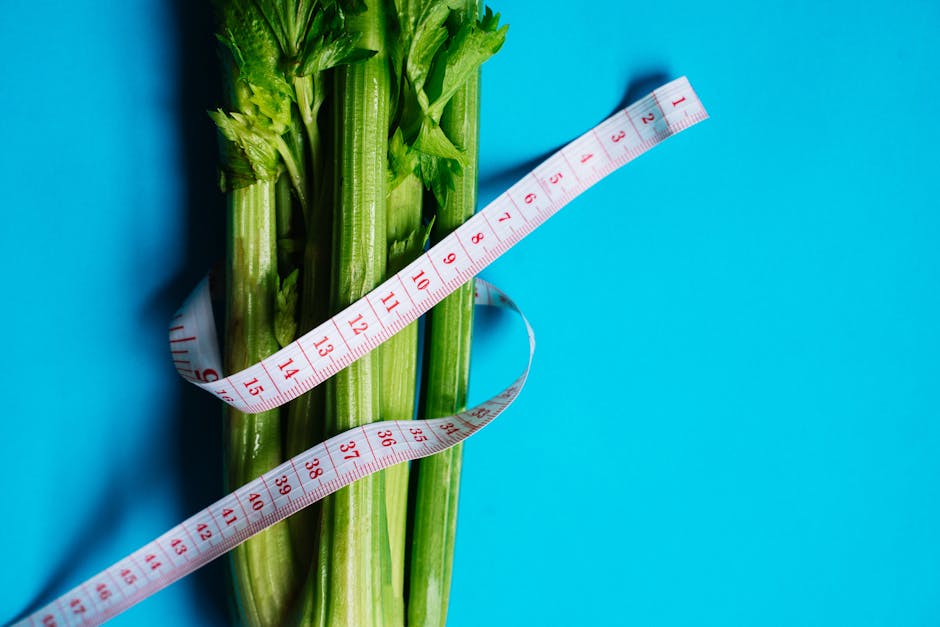
1. Hydration: Analog vs. Digital
Stop using a dedicated app to track how many ounces of water you drink. It’s annoying, it’s performative, and it’s a chore. If you need a reminder to drink water, keep a high-quality water bottle on your desk. Use a tick-mark system or simply drink a glass before every meal. If you really want a digital nudge, use the "Reminders" app already on your phone. Set a recurring, silent notification at 10 AM, 2 PM, and 4 PM. That’s it. You don't need a gamified interface to tell you to hydrate.
2. Sleep: Focus on Recovery, Not Perfection
Sleep consistency is the holy grail. I’ve tested everything from bedside sensors to biometric rings. Most of them are overkill. If you’re using wearable health tech, focus on two metrics: Heart Rate Variability (HRV) and Resting Heart Rate (RHR). These are the gold standards for recovery. Forget about the "Deep Sleep" vs. "REM" percentages; those numbers are notoriously inaccurate across most consumer-grade devices. Use them as a trend line, not a daily report card. If your HRV is trending down, that’s your signal to dial back the intensity of your exercise, not a reason to spend an hour reading about sleep hacks.
3. Stress: The Mindfulness Pivot
Meditation is often marketed as this intense, incense-burning ritual. For most of us, it’s just a 3-minute break from the slack notifications. Use a mindfulness app—like Calm or Headspace—only if they integrate with your primary platform. If they don't, set a timer. Your goal isn't to reach enlightenment; it’s to regulate your nervous system. Box breathing (inhale 4 seconds, hold 4, exhale 4, hold 4) does more for your cortisol levels than staring at a "Stress Score" graph ever will.
The Power of the 5-Minute Checklist
I don't believe in long, rigid morning routines. If you have to wake up at 4 AM to follow a 12-step program to be "well," you’re just setting yourself up for failure. I use a simple, 5-minute checklist. It’s printed on a card on my desk. If I check off four out of five, it’s a win.
Here is my current "No-BS" checklist:
Hydration Check: Drink 16oz of water before touching the coffee maker. Light Exposure: Get 5 minutes of sunlight (or bright window light) to set the circadian rhythm. Movement: Do something that isn't sitting—a quick stretch, a walk around the block, or even just clearing my physical desk workspace. Data Sync: Open the Health platform app just once to ensure the wearable is logged in and syncing properly. Mindfulness: 2 minutes of deliberate, slow breathing away from a screen.Comparison: The Silo vs. The Platform Hub
I put together this table to show you why you should stop adding apps to your phone and start consolidating your data. The goal is to reduce cognitive load, not increase it.
Feature "Silo" Approach (The Old Way) "Platform Hub" Approach (The Efficient Way) Data Entry Manual entry into 4-5 apps Automatic sync to one central platform Battery Life Multiple apps running in background One background agent (usually OS native) Context Disconnected metrics Holistic view of trends (HRV vs. Sleep) Maintenance High (updates, notifications, setup) Low (set once, review occasionally) Stress Levels High (too many pings/reminders) Low (passive tracking, intentional review)Wearable Tech: How to Test Before You Buy
I’ve spent years "field testing" these tools. My rule of thumb is simple: If I forget the device exists by day three, it’s a winner. If I have to constantly adjust, charge, or fuss over it, it’s a paperweight.
When looking at wearable health tech, ask yourself these three questions:
- Does this device sync directly to Apple Health/Google Fit? (If the answer is no, walk away). Is the data actionable? (e.g., "My heart rate is high, so I should rest" vs. "My score is a 62"). Is it comfortable enough to wear while sleeping?
If you find yourself constantly checking the app, the device is failing you. The best tech is invisible tech. It should work in the background, collect your data points, and only present you with insights when the trends change significantly. You shouldn't be managing your health tech; it should be managing your health by providing you with the quiet, underlying data you need to make better decisions.
Final Thoughts: Keep it Simple
We are currently living in an era of "data-driven health," but we often forget that the human part of that equation is the most important. No algorithm knows how you feel better than you do. If your apps say you're doing great but you feel exhausted, rest. If your apps say you're stressed but you feel fine, ignore the graph.
Stop chasing the "perfect" wellness routine. Stop downloading every app that promises to optimize your life. Pick one good wearable, plug it into your phone's main health hub, and focus on the basics: sleep consistency, hydration, and movement. Everything else is just noise.
Keep your habits short, keep your systems simple, and keep your life focused on living—not just tracking.