For those of us who spent years managing patient records in the NHS, the transition to telehealth feels like the biggest shift in medicine since the introduction of the electronic patient record. But for younger generations—those who view a smartphone as an extension of their arm—telehealth isn’t a "shift." It’s simply how healthcare is done.
As a former admin, I spent years listening to patients express frustration at the friction of traditional clinic visits: booking time off work, sitting in stagnant waiting rooms, and repeating their medical history to five different receptionists. Today, we are seeing a massive trend toward telehealth normalisation, particularly among younger audiences who prioritize efficiency, privacy, and digital-first interactions.
The Evolution of Patient Expectations
Younger patients are digital natives. When they have a health concern, their first port of call is rarely a GP surgery phone line that opens at 8:00 AM; it is an online search. They are looking for frictionless experiences. This expectation has forced a pivot in mainstream healthcare, moving away from archaic administrative hurdles toward remote-first clinic systems.
Brad Hook, a consultant known for his work in wellbeing and digital resilience, often notes that the younger cohort is far more comfortable with "asynchronous communication." They value the ability to review their health notes at 11:00 PM rather than trying to digest medical jargon during a hurried five-minute consultation. This comfort level with technology has paved the way for more specialised clinics to enter the UK market, particularly in sectors that were previously shrouded in stigma, such as medical cannabis.
UK Legality and the Specialist Difference
One of the most persistent issues I see in my "list of confusing phrases" is the conflation of CBD-only high street products with prescribed cannabis-based medicinal products (CBMPs). It is critical to clarify that since November 2018, specialist doctors in the UK have had the legal authority to prescribe CBMPs. This is not the same as the deregulated access seen in certain US states. It is a strictly controlled, clinician-led pathway.
When a patient engages with a private clinic, they are not bypassing the law; they are accessing a highly regulated pathway that the NHS, due to capacity constraints and limited evidence bases, often struggles to provide. Here is how the legal process currently stands:
- Legality: CBMPs are a legal treatment option for specific conditions where first-line treatments have failed. Specialist Prescribing: Only doctors on the General Medical Council (GMC) Specialist Register can initiate a prescription. NICE Guidelines: While NICE (National Institute for Health and Care Excellence) provides rigorous guidance on clinical evidence, they are currently conservative in their recommendations, which leaves a significant gap in treatment options for many patients.
What happens next: Once you find a specialist clinic, they will verify your medical history with your existing GP to ensure safe, coordinated care.
The Role of Online Eligibility Forms
The "gateway" to the modern telehealth clinic is almost always the online eligibility form. This is a brilliant piece of clinical triage. In the old NHS admin days, we would manually process intake forms that were often illegible or incomplete. Today, digital forms ensure that the clinic has all the necessary data—past medications, existing health conditions, and current symptoms—before a clinician even looks at the file.
The "Synonyms Hack" for Patient Jargon
I keep a running list of terms that confuse patients. When we use these in digital intake forms, patient anxiety skyrockets. I call this the "Synonyms Hack"—always replacing overly medicalised terms with accessible, plain English.
Confusing Phrase The "Synonyms Hack" Translation "Contraindications" "Other medicines or health conditions that might clash with this treatment." "Pharmacokinetics" "How your body processes and uses the medication." "Titration" "Gradually finding the right dose for you, starting low and going slow." "Administration route" "The way you take your medicine (e.g., oil, capsule, or dry herb)."What happens next: After you submit your eligibility form, the clinic’s clinical team reviews your application against your GP summary to confirm if you are a candidate for treatment.
Private Clinics vs. Limited NHS Pathways
It is important to be transparent: the NHS is the backbone of British medicine, but it is currently under immense pressure. Many patients turn to private telehealth clinics because the NHS pathways for chronic conditions are often "limited." Younger people are more pragmatic about this—if they are in pain and a private, regulated specialist can help within days, they aren't going to wait months for a tertiary care referral that may never materialise.
Private clinics offer a level of clinical monitoring that is hard to replicate in a strained public system. This includes regular follow-up consultations, electronic logs of dosage success, and responsive support teams. It is not about "paying for a fix"; it is about paying for access to specialists who have the capacity to monitor you properly.
Personalised Product Formats
One aspect of telehealth that resonates strongly with younger generations is the personalisation of care. In traditional pharmacy settings, you get what the pharmacist has on the shelf. In specialist telehealth, the administration route can be tailored to the patient’s lifestyle.
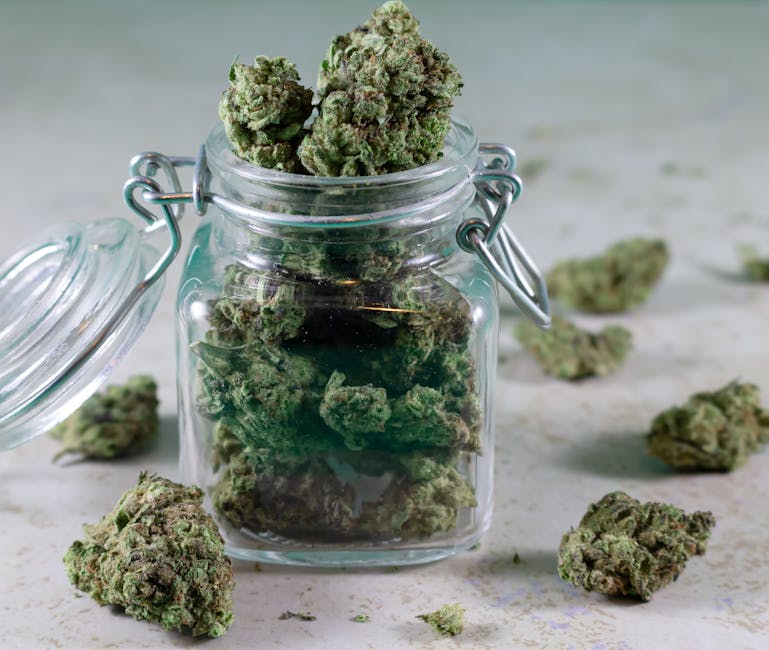
Whether it is an oral oil for consistent, longer-lasting relief or inhaled dry flower for faster onset of symptom control, patients are now active participants in their treatment plan. This is a far cry from the paternalistic "doctor knows best" model of the 1990s.
Assessment: You discuss your lifestyle and symptom profile with a specialist. Customisation: The clinician selects a formulation that aligns with your metabolism and goals. Feedback Loop: You monitor how you feel and report back to the clinic.What happens next: Your first prescription is sent to a specialised pharmacy, and you receive tracking information to ensure the medicine arrives securely at your door.
Regulation and Safety: A Non-Negotiable
Younger audiences might be tech-savvy, but they are also safety-conscious. They want to know that their data is secure and their medication is pharmaceutical-grade. The current UK framework for medical cannabis, for instance, requires that products meet strict Good Manufacturing Practice (GMP) standards. This is the difference between buying something from a random internet source and receiving a prescription through a regulated clinic.
Furthermore, clinical monitoring is mandatory. You aren't just given a prescription and sent on your way; you are followed up to ensure the medication is working and, crucially, that it is not causing unwanted side effects. If a clinic isn't performing synonymshack regular follow-ups, they are not acting in line with best practice, regardless of how slick their website looks.
The Bottom Line
Telehealth isn't just a trend; it's a recalibration of the patient-provider relationship. For younger people, the "normalisation" of telehealth is simply a recognition that healthcare should be as convenient as banking, as transparent as a grocery app, and as personalised as a streaming recommendation.
As long as the UK maintains its strict regulatory standards and requires specialist oversight, this model of care will continue to thrive. We are finally moving into an era where patients are partners in their own health outcomes, rather than just recipients of care. It’s an exciting time to be in the industry, and it’s heartening to see younger patients taking the driver’s seat in their own wellbeing.

What happens next: If you are considering a telehealth clinic for the first time, look for clinics that openly publish their clinical board members and have a clear, transparent process for handling complaints and GP coordination.