If you have walked through a health store lately, you have likely seen shelves overflowing with bottles promising to "melt away stress," "restore calm," or "balance your nervous system." As a former community health educator, I understand the appeal. Life is busy, and when we feel overwhelmed, the https://flixpress.com/the-importance-of-understanding-product-interactions-in-modern-wellness/ idea of a simple botanical supplement to help us cope sounds like the perfect solution.
However, there is a dangerous misconception in the wellness industry: the idea that because something is "natural," it is inherently safe. This could not be further from the truth. If you are currently taking prescription medication, adding a supplement to your daily routine without checking for stress supplements interactions is a gamble you don’t need to take.
In this guide, we will break down why these interactions happen, how your body processes these substances, and how you can become a more savvy digital researcher to keep your wellness routine safe.

Why "Natural" Does Not Mean "Interaction-Free"
When you take a pill, your body starts a complex process of breaking it down and moving it through your system. Many people view supplements—like St. John’s Wort, Ashwagandha, or CBD—as simple "add-ons." But to your liver, a supplement is just another chemical compound that needs to be processed.
Think of your liver as a busy factory. It has a finite number of workers (enzymes) tasked with processing everything that comes through—your morning coffee, your lunch, your blood pressure medication, and that new herbal supplement. When you introduce a supplement, it might try to force its way to the front of the line, or it might tie up the workers, leaving your prescription medication sitting on the "loading dock" too long. This leads to either too much or too little of your medication in your bloodstream.
The Mechanics: Dose, Timing, and Metabolism
Interactions usually occur through a process called pharmacokinetics—the way the body moves, breaks down, and gets rid of a substance. The three main drivers of these interactions are dose, timing, and metabolic competition.
- Dose: The higher the concentration of the herb, the more likely it is to cause a reaction. Some standardized extracts are significantly more potent than the whole plant used in traditional medicine. Timing: Taking a supplement at the exact same time as your medication increases the risk of them "competing" for the same absorption pathways in your gut. Metabolism (CYP450 Enzymes): This is the most common culprit. The Cytochrome P450 (CYP450) enzyme system in your liver is responsible for breaking down most medications. Certain supplements can either speed up this "factory" (making your meds wear off too fast) or slow it down (leading to a toxic buildup of medication in your system).
The Adaptogens and Medications Dilemma
Adaptogens and medications often share a complicated relationship. Adaptogens are plants that are purported to help the body "adapt" to stress. Common ones include Ashwagandha, Rhodiola, and Holy Basil.
While they are popular, they are not biologically inert. For instance, Ashwagandha can have a sedative effect, which might dangerously amplify the effects of anti-anxiety medications like benzodiazepines. Similarly, because some adaptogens affect thyroid hormone levels, they can complicate the dosing of levothyroxine for hypothyroidism.
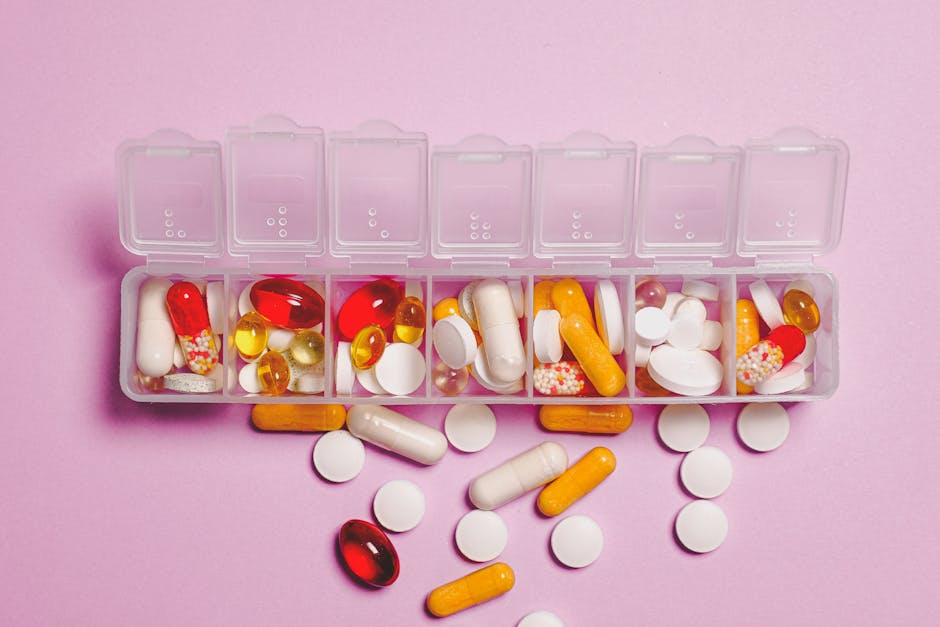
Common Interaction Risks
Supplement Potential Interaction Category Mechanism of Interaction St. John’s Wort Antidepressants (SSRIs) Potentiates serotonin, risking "serotonin syndrome." Ashwagandha Thyroid meds, Sedatives May increase thyroid hormone activity or sedation. Valerian Root CNS Depressants Increases sleepiness/respiratory depression. CBD (Cannabidiol) Blood thinners, Seizure meds Inhibits CYP450 enzymes, slowing drug breakdown.The CBD Factor: A Cautionary Tale
CBD (Cannabidiol) deserves its own section. It is one of the most widely used stress-management supplements today, but it is also a powerful "enzyme inhibitor."
If you are taking medications for blood pressure, heart rhythm, or seizures, CBD can significantly slow down the liver's ability to clear those drugs. This is not just a theoretical risk; it is a clinical reality. Because CBD is unregulated in many markets, the concentration of the active compound can vary wildly between brands, making it even harder to predict how your body will react. Always talk to doctor before adding CBD to a regimen that includes prescription medication.
Developing Better Digital Research Habits
We live in an age where influencers on social media often treat "stacking" supplements like a hobby. When researching your options, you must be a skeptic. Here is how to audit your information sources:
Avoid "Detox" and "Miracle" Language: If a website claims a supplement will "detox" your liver or "naturally fix" a clinical condition, close the tab. These are red flags for marketing hype. Use Professional Databases: Don't rely on blogs. Use resources like the National Institutes of Health (NIH) Office of Dietary Supplements or the MedlinePlus database. Cross-Check Search Results: If you find a promising study on a search engine, search for "[Supplement Name] + drug interaction" to see if there are clinical warnings. Watch Educational Videos Carefully: If you watch YouTube or other video platforms, verify the credentials of the speaker. Are they an MD, a pharmacist, or a registered dietitian (RD)? Or are they an influencer selling a specific product?
The "Pharmacist-First" Strategy
I have kept a running checklist for years that I share with patients. You don’t need to go into your doctor’s office with a medical degree; you just need to go in with the right information. Before you purchase your next stress supplement, bring this list to your pharmacist—they are often more accessible and highly trained in drug-nutrient interactions.
Your Pharmacist Consultation Checklist
- What is the full name of the supplement, and what is the standardized dose? Is there any evidence that this ingredient changes how my liver processes my current prescription medication? Is there a "washout period" or a specific time of day I should take this to minimize interference? Are there any blood tests I should consider if I decide to add this to my routine (e.g., to monitor thyroid or liver function)? Are there non-supplement lifestyle alternatives we could discuss instead?
Conclusion: Your Safety is the Priority
Managing stress is a legitimate health goal, but it should never come at the expense of your medication's efficacy. The "bio-hacking" culture of trying every new herb on the market ignores the delicate chemistry of your body. By acknowledging that supplements are active substances, being vigilant about digital sources, and consistently choosing to talk to doctor or pharmacist, you are taking a much more effective, evidence-based approach to your health.
Remember: You are the lead on your health team. Don't let a bottle label make the decisions for you.
Disclaimer: I am a content editor with a background in health education, not a physician. This information is for educational purposes only and does not constitute medical advice, diagnosis, or treatment. Always seek the advice of your physician or other qualified health provider with any questions you may have regarding a medical condition or medication interactions.