For over a decade, I navigated the complex corridors of NHS communications, watching health trends shift from clinical mandates to "wellness" buzzwords. In recent years, we’ve seen a seismic shift in how we approach self-care. It has moved from the performative—expensive skin-care routines and aesthetic-focused lifestyle habits—to the practical. People are finally talking about burnout, chronic sleep deprivation, and the physiological toll of modern stress as mainstream health concerns rather than character flaws.
Yet, amidst this push for practical, evidence-based self-care, a significant fog remains around the legality and utility of cannabis in the UK. When patients ask me about the difference between medical vs recreational cannabis, they are often asking about more than just substance; they are asking about safety, legitimacy, and the boundaries of a system that is still catching up to clinical reality.
The 2018 Watershed Moment: What Actually Changed?
To understand the current landscape, we must look at the 2018 amendment to UK cannabis laws. For years, the narrative was stagnant. Cannabis was a Class B controlled substance, full stop. However, in November 2018, the UK government reclassified cannabis-based products for medicinal use (CBPMs) as Schedule 2 drugs.
This didn't mean "legalization" in the way many recreational users hoped. It meant that doctors listed on the General Medical Council’s (GMC) specialist register could prescribe cannabis to patients where other medical cannabis neurological conditions UK licensed treatments had failed. This is the cornerstone of the distinction: the specialist prescription. You cannot walk into a high-street pharmacy or a GP practice and ask for medical cannabis. It is a controlled, clinical pathway designed for patients who have exhausted traditional pharmaceutical options.
Medical vs. Recreational: The Safety and Standardisation Gap
The difference between medical and recreational cannabis isn't just about the "vibe" or the intent of the user. It is, fundamentally, about the supply chain and quality control. Recreational cannabis, purchased through illicit channels, is an unregulated, black-market product. You have no guarantee of its cannabinoid content, purity, or the presence of contaminants like heavy metals, pesticides, or synthetic additives.
In contrast, medical cannabis is a pharmaceutical-grade product. When a patient receives a prescription through a regulated clinic, they are receiving a medication with a consistent profile of THC (tetrahydrocannabinol) and CBD (cannabidiol). This consistency is the difference between medicine and guesswork.

Conditions and Clinical Oversight
The transition toward medical cannabis in the UK was largely catalyzed by the advocacy surrounding severe, treatment-resistant conditions. Organizations like the Epilepsy Society (epilepsy.org.uk) have played a vital role in highlighting the clinical necessity of these treatments. For a subset of epilepsy patients, conventional anti-epileptic drugs simply do not work, or the side effects are intolerable. Medical cannabis provides a vital alternative, but it is one that requires the rigour of clinical oversight.
Beyond epilepsy, we are seeing a growing number of patients exploring medical cannabis for:
- Chronic pain management (where opioids have failed). Treatment-resistant anxiety and PTSD. Sleep disorders linked to chronic illness. Multiple Sclerosis-related spasticity.
It is here that the shift toward "practical self-care" becomes evident. Patients are no longer willing to settle for "grin and bear it" approaches to burnout or chronic pain. They are looking for managed, evidence-based care. Platforms and analytical tools, such as those provided by Riproar, are helping the industry move toward better data collection and patient outcomes, bridging the gap between how digital health platforms operate and how the clinical sector functions.
Why the "Specialist Prescription" Pathway Matters
The UK medical cannabis pathway is intentionally narrow. By requiring a specialist prescription, the government ensures that a doctor who is an expert in the patient’s specific condition is the one managing the risk. This isn't just bureaucracy; it is safeguarding.
Recreational cannabis use often focuses on immediate psychoactive effects, which can sometimes exacerbate the very issues patients are trying to treat—such as anxiety or sleep issues—because of the unpredictable nature of the strains used. Medical cannabis, conversely, is about "titration." The specialist works with the patient to find the lowest possible dose that provides therapeutic relief without unwanted side effects. It is a dialogue, not a transaction.
Comparison Table: Medical vs. Recreational Cannabis
Feature Medical Cannabis (UK) Recreational Cannabis Legality Legal under specialist prescription. Illegal (Class B drug). Quality Control Pharmaceutical-grade (GMP certified). Unregulated, unknown purity. Access Private/Specialist clinics. Illicit street market. Dosing Doctor-supervised titration. Uncontrolled/Self-dosing. Focus Symptom relief/Clinical outcome. Recreational/Psychoactive effect.Moving Beyond the Stigma: The Future of Digital Health
My years in the NHS taught me that stigma is the biggest barrier to patient access. For too long, the conversation around cannabis has been binary: it’s either a "dangerous drug" or a "rebellious lifestyle choice." We need to move the needle toward a third reality: medical cannabis as a legitimate, regulated clinical tool.
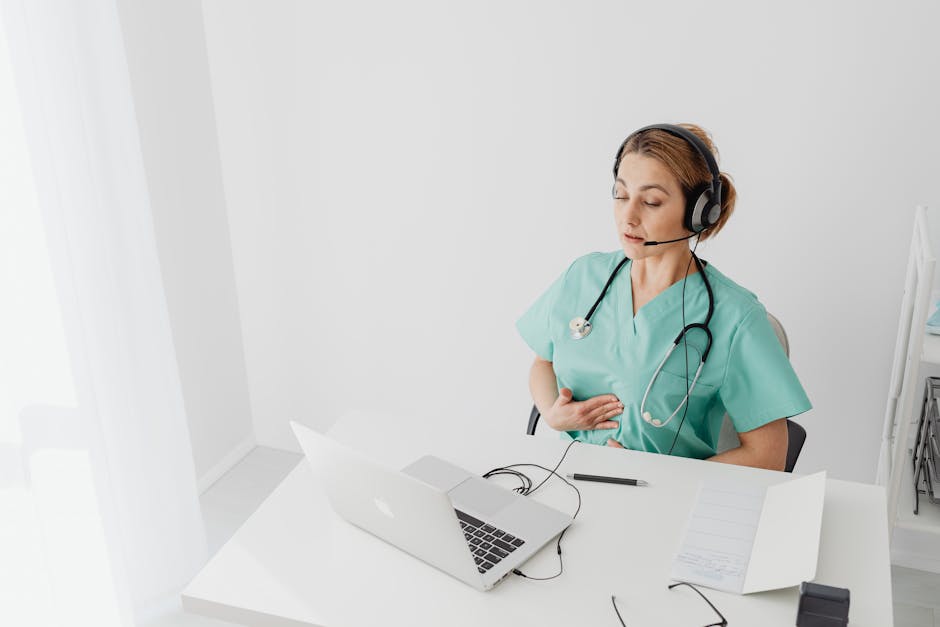
The rise of digital health platforms is critical here. If we can use data to demonstrate the efficacy of treatments—tracking sleep improvement, reduction in pain scores, and overall quality of life—we move closer to normalising medical cannabis within the wider UK health ecosystem. When patients are empowered with information, they move away from the black market and toward the safety of the clinical pathway.
The Verdict: Practicality Over Performance
If you are exploring medical cannabis, you are stepping away from the performative "wellness" industry and into the world of regulated healthcare. It https://highstylife.com/what-is-a-patient-centered-healthcare-conversation-supposed-to-feel-like/ is not a quick fix or a shortcut. It is a pathway that involves:
Acknowledging that traditional pathways haven't met your needs. Consulting with a specialist who understands your specific diagnosis. Receiving a prescription that is consistent, tracked, and legal. Ongoing follow-up to ensure the treatment remains safe and effective.The distinction is clear. Recreational cannabis remains a risk to your health and your legal standing. Medical cannabis, while not a panacea, is a rigorously governed medical intervention. For many patients dealing with the daily grind of chronic burnout, pain, or neurological conditions, that difference is everything.
As we continue to navigate the future of digital health and patient-centric care in the UK, the focus must remain on access to safe, standardised, and specialist-led treatments. The days of treating cannabis as a taboo are fading; the days of treating it as a medical necessity are just beginning.