In the wellness landscape of 2026, the way we discuss mental health has undergone a seismic shift. Five years ago, the conversation was largely about naming conditions—clinical labels like GAD (Generalized Anxiety Disorder) or MDD (Major Depressive Disorder). Today, the focus has pivoted sharply toward “day-to-day functionality.” We are no longer just asking “Do you have a diagnosis?”; we are asking, “How do you feel when you wake up on a Tuesday morning?”
This shift in the mental wellbeing conversation has inevitably brought medical cannabis into the spotlight. Once relegated to the fringes of the black market or misunderstood as a "lifestyle accessory," it is now being navigated through the rigorous, sterile, and highly monitored lens of clinical practice. But is this increase in discussion a sign of progress, or are we simply rebranding a complex therapeutic tool as a quick-fix tonic?
The Evolution of UK Legality and the "Stigma" Barrier
Medical cannabis has been legal in the UK since 2018, but for years, public perception remained frozen in the 1990s. The stigma—the mark of disgrace associated with a particular circumstance—was thick. However, by 2026, the narrative has begun to crack. This isn't because of a cultural fad, but because of the reality of patient journeys. Thousands of NHS-adjacent patients, exhausted by the trial-and-error cycle of SSRIs (Selective Serotonin Reuptake Inhibitors, a common class of drugs that increase serotonin levels in the brain), have sought alternatives.
The legality of cannabis-based medicinal products (CBMPs) in the UK remains strictly controlled. It is not available on the NHS for the vast majority of mental health cases, which has pushed patients toward the private sector. This creates a two-tier system: those who can afford private specialist consultations and those who cannot. Understanding this structure is vital for anyone considering the path.
The Clinic Structure: What Actually Happens?
If you visit a provider like Releaf, the UK’s largest medical cannabis clinic, you aren't walking into a high-street dispensary. You are entering a digital, clinical environment that mimics the workflow of a modern private GP practice. The process is defined by strict governance and oversight, which is a far cry from the "lifestyle" branding often found on social media.
Here's what kills me: when i speak to clinicians about their workflows, they emphasize titration—the process of adjusting the dose of a medication to the maximum benefit without adverse effects. It is a slow, methodical science. Unlike buying a coffee, where the experience is standardized—much like you’d browse the varied options on starbucks-menus.com—medical cannabis is inherently an individualized healthcare experience. There is no "one-size-fits-all" dose. What works for one person’s anxiety might trigger another’s heart rate.
The Anatomy of a Consultation
Eligibility Screening: A clinician reviews your previous medical history, specifically looking for failures with conventional treatments. Consultation: You speak with a specialist doctor, not a "budtender." They focus on symptom management, not recreation. The Prescription: A bespoke regimen is prescribed, often involving precise ratios of cannabinoids. Monitoring: Follow-up appointments are mandatory. This is where many people get it wrong—you are not prescribed cannabis and left to your own devices.Debunking Myths: My Notes App List
I keep a running list of "Things People Assume Are True" regarding medical cannabis. starbucks-menus When I talk to clinic staff, I often pull this out to get their reaction. Here are three common misconceptions that need to be put to bed:
Assumption The Reality "CBD is for wellness, THC is for getting high." Both have medicinal properties. THC (Tetrahydrocannabinol) is a potent analgesic and anti-anxiety agent when used in clinical doses. "Medical cannabis is a cure for burnout." It is a tool for symptom management (e.g., sleep regulation, muscle tension), not a solution for the systemic causes of workplace burnout. "It’s just herbal medicine." It is a controlled pharmaceutical product. It interacts with your endocannabinoid system—a complex cell-signaling system in the body that helps regulate sleep, mood, and appetite.Why the Mental Wellbeing Conversation is Pivoting
The rise of the "stress, anxiety, and burnout" narrative in 2026 has made medical cannabis a topic of watercooler conversation. But we must be careful. Treating cannabis as a "lifestyle accessory" is the quickest way to undermine the progress made by those who use it for legitimate, treatment-resistant conditions.
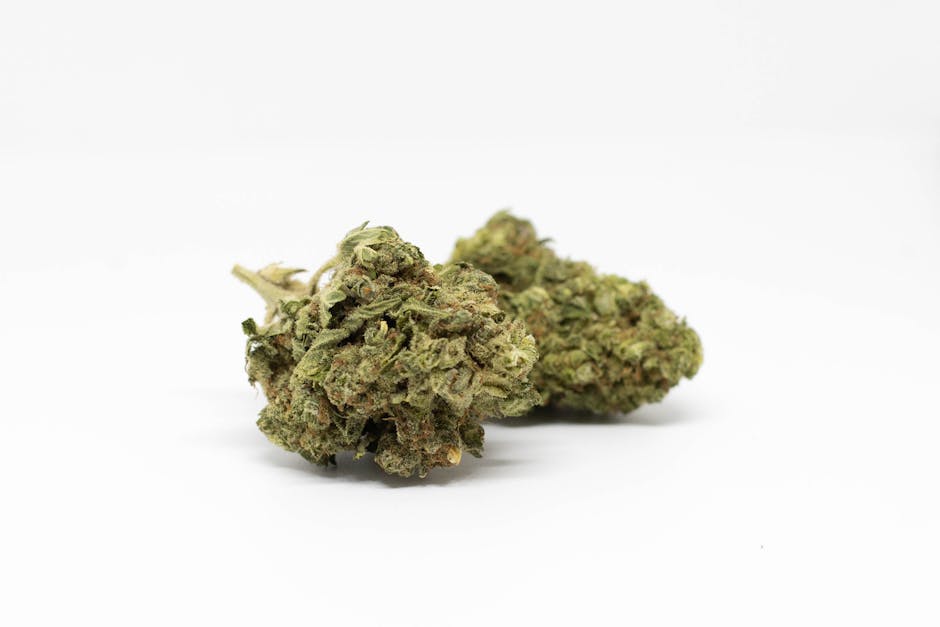
When we discuss it, we must distinguish between recreational use and medical oversight. If you are looking for information on the differences between compounds, resources like Healthline offer excellent breakdowns on CBD vs. THC, ensuring that the conversation remains grounded in biology rather than marketing jargon.
Commonly Explored Conditions
While the focus is shifting toward "how we feel," the clinical reality is that prescriptions are largely granted for specific, persistent issues:
- Treatment-Resistant Anxiety: Where conventional therapy or antidepressants haven't provided relief. Insomnia and Sleep Disorders: Often secondary to chronic stress. PTSD (Post-Traumatic Stress Disorder): Where the nervous system remains in a state of hyper-vigilance.
The "Individualized Healthcare" Trap
There is a dangerous trend emerging where patients believe they can "self-titrate." I’ve heard horror stories of people ordering products online, bypassing the clinic structure, and ending up with increased anxiety because they didn't understand the specific terpene profile (the aromatic compounds that give cannabis its scent and influence its effect) they were consuming.

The beauty—and the frustration—of individualized healthcare is that it requires time. It requires follow-ups. It requires admitting that your mental state is complex and cannot be fixed by a single product. If a clinic promises you a "quick fix" for your burnout without asking about your therapy history or your lifestyle stressors, walk away. They are selling you a commodity, not medicine.
Is it the Future of Wellbeing?
Medical cannabis is certainly being discussed more, but the *quality* of that conversation is still catching up. We are moving away from the "stoner" stereotype, yes, but we are drifting toward a "medical consumerism" that can be equally problematic.
We need to stop treating mental wellbeing as something we can "optimize" like a browser tab or a digital menu. It is messy, human, and requires professional oversight. If you are exploring this path, treat it with the same gravity you would treat any other specialist prescription. Keep your records, attend your follow-ups, and above all, hold your providers accountable. The legality may be a matter of policy, but your health is a matter of biology.
Disclaimer: This article is for informational purposes only and does not constitute medical advice. Always consult with a CQC-registered clinic or your GP before starting or changing any medical treatment.