If you have spent any time scrolling through social media platforms like Facebook, X, LinkedIn, or Reddit lately, you’ve probably been hit with a barrage of "fitness transformations." You know the ones: the highly curated before-and-after shots that promise a total body overhaul in six weeks. As someone who has spent the last 12 years covering health and lifestyle—and the last six specifically focused on the midlife transition—I am here to tell you to stop the scroll. Those miracle claims are not just unrealistic; they are exhausting.
When we hit our 50s, the conversation around movement needs to change. It is no longer about "getting ripped" or chasing an aesthetic that belongs to our 20-year-old selves. It is about muscle maintenance, bone density, and metabolic health. It is about building a body that can carry you through the next 30, 40, or 50 years with independence and joy.
The Science: Why 2-3 Days is the Sweet Spot
If you search the NHS website (nhs.uk) for guidance on physical activity, you won’t find instructions for grueling, six-day-a-week bodybuilder splits. Instead, the NHS consistently recommends at least two days a week of muscle-strengthening activities for adults. For those of us in our 50s, this is the gold standard for a reason.
Why two to three days? Because in midlife, our recovery window has naturally lengthened. If you train too hard, too often, you aren't doing yourself a favor; you’re accumulating systemic inflammation. A consistent resistance training routine that hits all the major muscle groups 2-3 times per week gives your tissues enough stimulus to stay strong and enough recovery time to actually repair themselves.
The "Bad Tuesday" Reality Check
I always ask my readers one crucial question: "Can you do this on a bad Tuesday?"
We all have those days. You’ve slept poorly, work was a nightmare, the kitchen sink is leaking, and you have zero motivation. If your fitness plan requires you to drive 20 minutes to a gym, put on fancy gear, and spend 90 minutes lifting heavy iron, you are going to quit when Tuesday rolls around. A sustainable plan for your 50s must be doable when you are tired, grumpy, and crunched for time.
If you can do 20 minutes of bodyweight squats, lunges, and push-ups in your living room while your coffee brews, you are winning. That is a routine that sticks.
The Price Myth: Why You Don’t Need the Gear
One of the most annoying trends in the wellness industry is the belief that you need to spend hundreds of pounds on specialized equipment, "smart" mirrors, or fancy supplements to see progress. Let’s be clear: you do not need to buy six products to start strength training in your 50s.
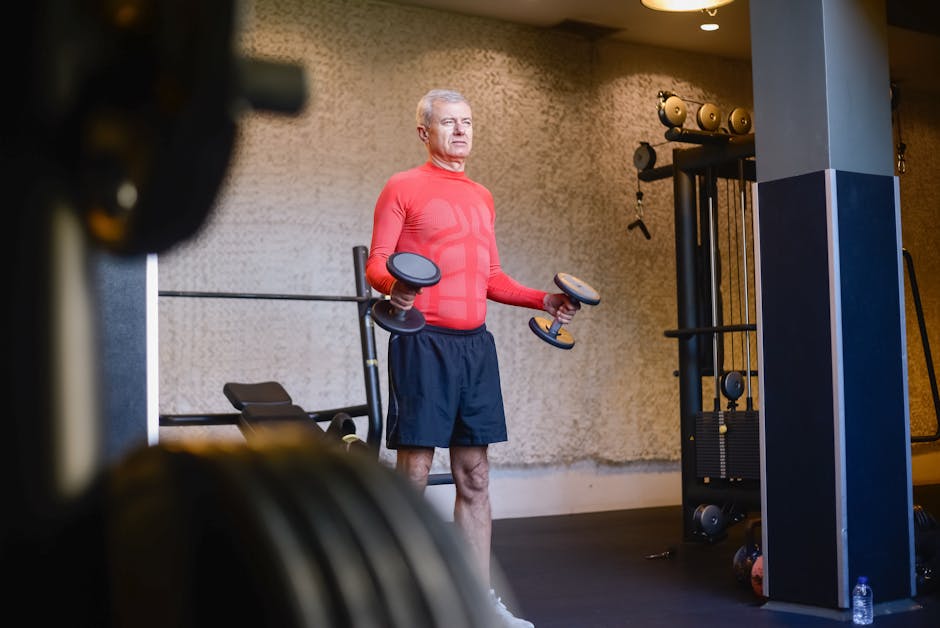
I’ve seen too many people fall into the "price trap"—the idea that if I pay a high price for an annual https://highstylife.com/how-to-avoid-disappointment-with-new-wellness-products/ membership or a specialized machine, I am "investing" in my health. Often, that expensive machine just becomes a very pricey coat rack. You don’t need a gym membership to build resistance. A set of bands, a pair of dumbbells, or even your own body weight are more than sufficient. Keep it simple. If a fitness influencer tells you that you *must* buy their proprietary gear to see results, close the tab.
A Simple Approach to Resistance Training
Think about movement in terms of daily function:
- Push: Push-ups (against a wall or on the floor). Pull: Rows (using bands or a heavy water jug). Squat/Hinge: Getting up from a chair or picking up groceries. Carry: Walking while holding weight (farmer's carries).
Sustainable Nutrition: Fueling the Movement
You cannot out-train a diet that doesn't support muscle protein synthesis. As we age, our bodies become slightly less efficient at processing protein. This is where resources like Fifties Web can be helpful for finding community-backed advice on aging gracefully, but the core principle is simple: prioritize protein at every meal.
I am not talking about expensive shakes or restrictive diets. I am talking about adding an egg to your breakfast, a handful of lentils to your salad, or a bit of Greek yogurt to your afternoon snack. It’s about adding nutrients, not shaming yourself for what you take away.
Consistent Low-Impact Movement
Strength training is the "big rock" in your wellness jar, but it needs to be supported by consistent low-impact movement. Walking, swimming, or cycling isn't just "extra"—it keeps your cardiovascular system healthy and your joints lubricated. Think of these as "active recovery" days. If you find that your muscles are feeling particularly tight or fatigued, looking into resources like Releaf (releaf.co.uk) can be a helpful way to explore gentle, natural approaches to comfort and mobility as you progress through your journey.
Sleep Hygiene: Where the Real Gains Happen
If you are hitting the gym three times a week but sleeping five hours a night, you are spinning your wheels. Sleep is the primary recovery mechanism for your muscles. If you want to see results from your resistance training routine, you must protect your sleep.
Tiny changes that actually stick:
Set a "digital sunset" where you put your devices away 45 minutes before bed. Keep your bedroom cool—around 18°C (65°F) is often optimal for deep sleep. Establish a 10-minute wind-down ritual that doesn’t involve a screen.Putting It All Together: Your Weekly Template
The following table outlines a balanced, low-stress approach for the average person in their 50s. Remember, this is a baseline—adjust as your life demands.

Final Thoughts: Consistency Beats Intensity
I have spent enough time in this industry to know that the "miracle" approach is always a lie. The people who gentle movement routine look and feel their best in their 60s, 70s, and beyond aren't the ones who did an intense 12-week program; they are the ones who kept moving, consistently, for years. They are the ones who didn't let a bad Tuesday derail their entire week.
Start small. If two days of strength training feels daunting, start with one. If you can only manage ten minutes, do ten. The goal is to build a habit that is so small and so doable that you couldn't possibly fail at it. That is how you win the long game of midlife wellness.
Be kind to yourself. You’re building a body for the long haul, and that requires patience, not perfection.