I have spent the last 11 years sitting on both sides of the table. Early in my career, I was the one sweating the logistics for life sciences association summits, checking AV connections in Boston hotel ballrooms until 2 a.m. Later, I pivoted to the editorial side, managing newsrooms and vetting hundreds of event pitches for healthcare B2B publications. I know exactly what makes a seasoned editor hit "delete" versus what makes them lean in and start typing.
If you are trying to promote an event to BioPharma Dive, you aren’t just selling a ticket; you are selling a news story. Editors aren’t bulletin boards for press releases—they are gatekeepers of industry relevance. To get your summit, webinar, or stakeholder meetup on their radar, you need to understand the mechanics of the BioPharma Dive newsroom and its sister publications like Healthcare Dive, MedTech Dive, and PharmaVoice.
Understanding the Editorial Ecosystem
Before you send a single email, recognize that BioPharma Dive covers a massive beat. From clinical trial readouts to M&A rumors and FDA policy changes, their reporters are constantly balancing real-time news with long-form analytical pieces. When you pitch an event, you are essentially asking an editor to carve out time from their reporting schedule to either attend your event or report on the findings presented there.
To succeed, your pitch must demonstrate how your event moves the needle on current industry conversations. Are you presenting new cardiovascular efficacy data? Is this a high-level roundtable focused on the regulatory barriers in cardiovascular forum Boston the oncology space? If the content is purely promotional or sales-oriented, it will not make the editorial cut. If it’s a milestone event that provides unique industry insights, you have a fighting chance.
The Difference Between an Editorial Listing and a News Pitch
There is a distinct line between a standard calendar entry and a piece of coverage. If you simply want your event to appear in the industry calendar for visibility, you don’t need an editor; you need to leverage their self-serve tools.
- For standard visibility: Utilize the BioPharma Dive self-serve event listings. This is the most efficient way to ensure your event is discoverable for industry professionals browsing the site. For ongoing updates: Once your event is live, you can manage events to update speakers, agendas, or venue changes, keeping your listing accurate without needing manual intervention from the editorial team.
However, if your goal is an editorial event listing or, better yet, a dedicated article or spotlight, your approach must change. You aren't just uploading a date; you are telling a story.
Navigating Event Formats: In-Person Forums vs. On-Demand Webinars
The "where" and "how" of your event drastically changes the perception of its value. Over my decade in this space, I’ve seen a clear divide in how trade publications treat these formats:
In-Person Forums (The Gold Standard)
There is no substitute for a physical room full of the right people. For high-stakes oncology or cardiovascular stakeholder meetups, in-person interaction is where the real networking happens. When pitching an in-person event, emphasize the "exclusive" nature of the dialogue. Editors are much more likely to show up—or send a reporter—if they know they will get access to high-level executives or exclusive data sets that aren't available in a virtual setting.
On-Demand Webinars
Webinars have a lower barrier to entry, but they suffer from "content fatigue." If you are pitching a webinar, your hook must be exceptionally strong. Focus on the data or the policy shift being discussed. Mention clearly why this webinar is timely. Is it responding to a new FDA guidance? Is it a deep dive into a recent breakthrough in precision medicine?
Event Format Editorial Appeal Pitching Strategy In-Person Summit High Highlight keynote speakers and exclusive data reveals. Virtual Roundtable Medium Focus on the controversy or the policy impact. On-Demand Webinar Low Ensure the whitepaper/data report is groundbreaking.The Geography of Success: Boston Life Sciences Logistics
Having coordinated dozens of events in the Boston area, I know that for life sciences, location is a statement. If you are holding an event in Kendall Square or the Seaport, you are at the epicenter of the biotech world. When you promote an event occurring in these hubs, weave that geography into your pitch. Mentioning that your event is occurring in the "heart of the Boston life sciences cluster" signals to editors that this is where the industry’s top talent is already congregating.
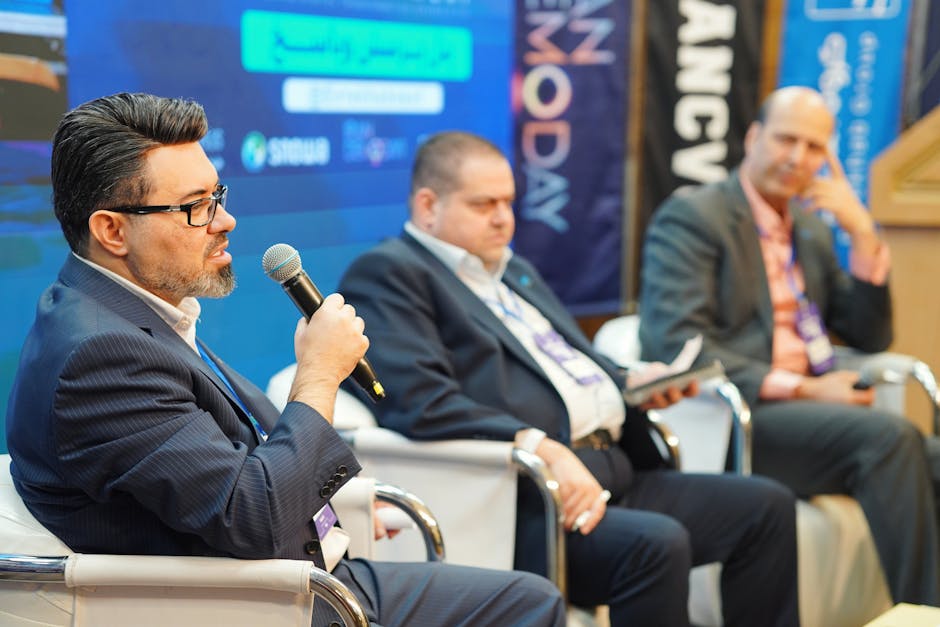
Logistically, if you are pitching an editor to Healthcare Dive events attend, make it easy. Provide a clear media itinerary, suggest specific windows for interviews, and guarantee that the speakers are prepared to speak on the record. Nothing kills a story faster than a disorganized, "off-the-record" event where the speakers are inaccessible to the press.
Crafting the Perfect Pitch: A Practical Workflow
When you contact a BioPharma Dive contact or editor, follow these rules of engagement to keep your professional reputation intact:
Start with the "Why": Skip the corporate boilerplate. Start with: "We are releasing new findings on [Condition/Therapy] at [Event Name] in Boston on [Date]. This addresses the current debate regarding [Current Industry Trend]." Leverage the Sister Publications: If your event touches on device tech or policy, mention why it’s also relevant to the audiences at MedTech Dive or Healthcare Dive. Cross-disciplinary appeal is highly attractive to editorial directors. The "PharmaVoice" Angle: If your event features leaders who are driving innovation, link it back to the narrative style of PharmaVoice. Editors love personal narratives about the people behind the science. Be Clear on Access: State upfront what the media access will look like. Are there one-on-one slots? Is there a press-only roundtable?Refining Your Approach to Stakeholder Meetups
Specialized meetups—specifically those focused on oncology and cardiovascular health—require a nuanced approach. These areas are fast-moving, with constant breakthroughs in clinical trial design and market access. If your event brings together patients, clinicians, and biopharma execs for a cross-stakeholder roundtable, lead with the value of that *diversity* of perspective.

Editors are tired of "echo chamber" events where everyone in the room has the same title and the same agenda. Pitching an event that features a patient advocate sitting across from a C-suite executive to debate real-world evidence? That is a headline-worthy story.
Final Thoughts from the Editor’s Desk
Getting a response from an editor isn't about being pushy; it’s about being a valuable source of information. When you approach BioPharma Dive, remember that their primary responsibility is to their readers. If your event helps those readers understand the market, the science, or the policy better, they will be happy to hear from you.
Use the self-serve tools to ensure your basics are covered, maintain your event pages through the manage events portal, and treat your editorial pitches with the same level of professional detail you would give a scientific paper. If you provide an editor with a clear, compelling, and well-organized story, you won't just get a listing—you’ll get a partnership.
Good luck with your event planning. The industry is always hungry for the next big conversation—make sure yours is the one they’re listening to.