If you've browsed the wellness aisles or online shops lately, you’ve probably noticed a flood of CBD products promising everything from relaxation to pain relief. But with so many brands, potencies, and formats, it’s challenging Click to find out more to figure out which product gives you the best bang for your buck — without sacrificing quality or safety. Pretty simple.. This guide breaks down how you can compare CBD products properly, focusing on the right numbers and crucial quality checks.
CBD Basics: What Is It, and How Does It Differ from THC?
Cannabidiol, or CBD, is one of many compounds called cannabinoids found in cannabis plants. Unlike THC (tetrahydrocannabinol), the cannabinoid famous for causing intoxication or the “high” feeling, CBD is non-intoxicating. This means it doesn’t produce euphoria or impair cognitive or motor function.
The distinction matters because:
- Products with less than 0.3% THC (by dry weight) are federally legal in the U.S. thanks to the 2018 Farm Bill. Many CBD products on the market are derived from hemp, which legally must stay below this THC threshold. “THC-free” labels can be misleading without batch-specific testing; trace THC could still be present.
FDA Approval and Over-The-Counter CBD
The Food and Drug Administration (FDA) has officially approved only one CBD-based medication: Epidiolex, for certain severe seizure disorders. This prescription-only drug has gone through rigorous clinical trials and strict manufacturing standards.
On the other hand, over-the-counter (OTC) CBD products are considered dietary supplements or hemp extracts and are not FDA-approved to treat any condition. Their quality, safety, and efficacy can vary widely. That’s why doing your homework matters — especially when it comes to price.
Why Comparing Price per Serving CBD Matters
When you’re shopping, it’s tempting to glance at the front label and pick a product based on the total price or how many milligrams (mg) of CBD it claims per bottle. But neither tells the full story.
The most useful number to focus on is the price per serving CBD.
Why Price per Serving, Not per Bottle?
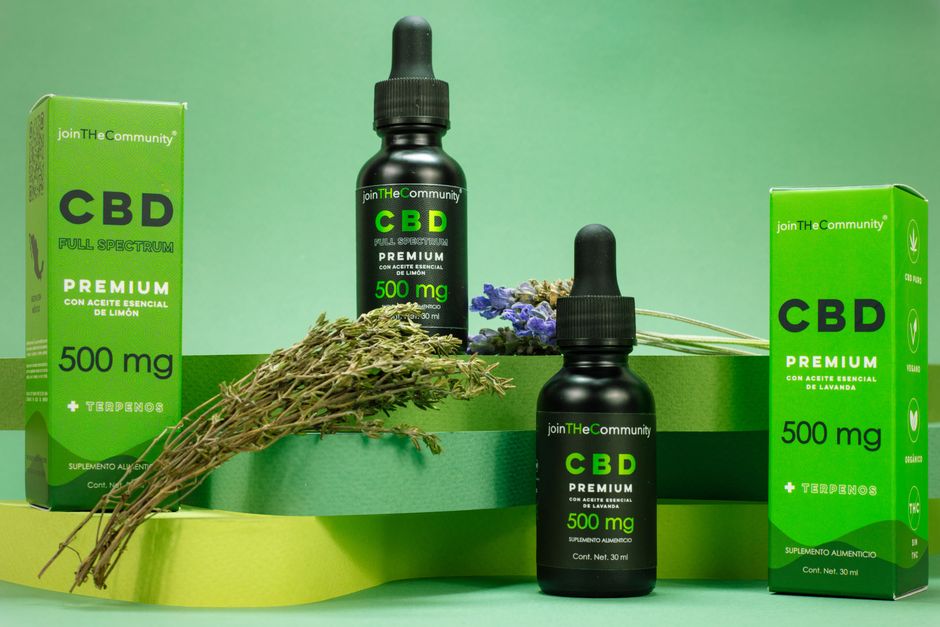
- Serving size varies: Some products count 25 mg of CBD as a serving, others 10 mg, 40 mg, or even a half-dropper. Product format differences: Gummies, tinctures, capsules, and vapes all have different serving definitions. Helps normalize cost: Dividing the total price by the number of servings lets you compare apples to apples.
How to Calculate Price per Serving CBD
Find the total amount of CBD in the bottle. This is usually on the label in milligrams (mg). Find the total number of servings or servings per container. This info is often on the Supplement Facts or Directions label. Divide the product price by the number of servings. This gives you the price for one serving. Optional: Divide the price per serving by the mg of CBD per serving to get cost per mg CBD for a more granular comparison.Example: A 30 mL Joy Organics tincture contains 750 mg total CBD and 30 servings (1 mL per serving) and costs $60. Price per Discover more serving is $60 ÷ 30 = $2 per 25 mg serving.
Important Quality Factors: Why Price Isn’t Everything
Think about it: high-quality cbd products undergo rigorous testing to meet standards of potency and purity. Price comparisons are useful only when you know you’re comparing trustworthy, transparent brands.
The Gold Standard: Batch-Specific Certificate of Analysis (COA)
A certificate of analysis (COA) is a laboratory report that confirms what’s in the product — including:
- Exact amount of CBD and other cannabinoids per serving. Levels of THC (ensuring it stays under 0.3% federally legal limit). Absence of contaminants like pesticides, heavy metals, or residual solvents. Microbial safety.
Always check that the COA is batch-specific — this means the report corresponds exactly to the batch of the product you’re buying, not a generic company-level test.
Joy Organics Beware of Vague Claims Like “THC-Free” Without Proof “THC-free” may sound good, but without a batch COA, such claims can be marketing fluff. Sometimes, tiny THC traces remain undetected without testing, or other cannabinoids are substituted. Quick Tips to Compare CBD Products Smartly Don’t compare total bottle price alone. Divide by servings to see true value. Check potency per serving. More mg per serving isn’t always better—start low if new. Look for batch-specific COAs. Verify cannabinoid content & lab safety tests. Compare brands with transparent sourcing. Brands like Joy Organics offer detailed lab reports online. Remember legal limits. Products must stay under 0.3% THC to be legally sold as hemp-derived CBD. Consider product type and how you use CBD. Tinctures last longer, gummies are convenient but may have added sugars, topical creams differ in dosage. A Sample Price and Potency Comparison Table Brand Product Type Total CBD (mg) Servings per Bottle Price ($) Price per Serving ($) Batch-Specific COA? Joy Organics Tincture (30 mL) 750 mg 30 60 2.00 Yes (online) Brand X Gummies (30 pieces) 300 mg 30 45 1.50 No Brand Y Capsules (60 count) 900 mg 60 90 1.50 Yes (limited info) Final Thoughts: Price Meets Quality When comparing CBD prices, don’t let flashy marketing or a low sticker price trick you. That said, there are exceptions. The smartest approach is to look beyond the label — calculate price per serving CBD, confirm potency and purity with batch-specific COAs, and understand the legal landscape. Brands like Joy Organics stand out because they provide transparent testing and consistent products, letting you make a safer, more informed choice. Remember, the goal is to get a high-quality, consistent CBD experience that fits your budget — not just the cheapest bottle on the shelf.