If you have ever spent your morning repeating your medical history to three different people—or waited on hold for twenty minutes just to ask a simple administrative question—you know what a fragmented healthcare experience feels like. It is exhausting, inefficient, and often anxiety-inducing.
For years, healthcare systems have operated in silos. Your specialist didn't talk to your primary care provider, your test results existed on a piece of paper you had to hand-carry, and booking an appointment felt like a competitive sport.
But the tide is turning. We are moving toward connected healthcare. This isn’t about flashy tech for the sake of it; it is about using digital tools to join up the dots between appointments, tests, and advice. Let's look at how digital platforms are actually changing the patient experience, rather than just promising "innovation" without substance.
Meeting the modern patient’s expectations
Patients today expect the same level of service from their clinic as they do from their bank or their favorite retail app. We live in an on-demand economy. If you can track a takeaway order in real-time, you should theoretically be able to check the status of a referral.
The core shift here is flexibility. Patients no longer want to be tethered to a clinic's opening hours to manage their care. They want to book, change, or review their health information at 10 PM on a Learn more here Tuesday, not just at 9 AM on a Monday.
When clinics fail to meet these expectations, friction occurs. This friction—the "I can't get through on the phone" or "they don't know who I am" feeling—is exactly what makes healthcare feel fragmented. By introducing digital access points, clinics reduce that friction.
Replacing the phone-based admin bottleneck
For decades, the telephone has been the primary gateway to a doctor. If you wanted an appointment, you had to call. This created a massive bottleneck, especially during "peak" times like early mornings.
Online booking systems have finally begun to dismantle this barrier. When a clinic allows you to book directly through an online interface, they are effectively moving the administrative workload away from a human receptionist and onto a digital system that works 24/7.
What does this actually change for you?
- Reduced wait times: You aren't stuck in a queue. Better visibility: You can see exactly which time slots are available, rather than being told "there’s nothing this week" without context. Automation: Confirmation emails and SMS (Short Message Service) reminders mean the clinic doesn't have to chase you, and you don't have to rely on a sticky note on your fridge.
From a clinic's perspective, this isn't just about convenience. It’s about communication. By automating the mundane stuff, the administrative staff actually has more time to help patients who have complex needs or who genuinely require a human conversation.
Virtual consultations: The new normal
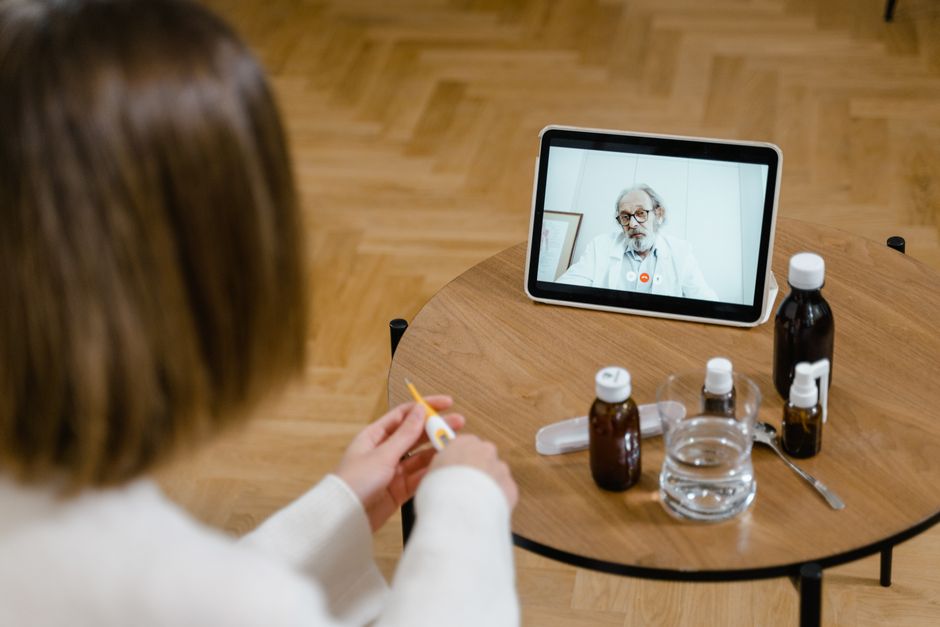
Virtual consultations, or telehealth, moved from an "emergency-only" feature to a standard part of practice during the pandemic. However, the real value isn't just that you can see a doctor from your sofa.
The true value is in how it integrates with your overall care plan. A well-implemented virtual consultation platform is not just a Zoom call. It should be a secure, documented session that links directly to your Electronic Health Record (EHR). An EHR is a digital version of your medical history, maintained by the provider over time.
When a virtual consultation is integrated properly, the doctor can pull up your last blood test results, review your current medication list, and update your file in real-time. You aren't having a "separate" experience; you are having a continuous one.
The power of a centralized platform
The term centralized platform is often thrown around in sales pitches, but it means one specific thing: a "single source of truth." In a fragmented system, your data is scattered across faxes, physical folders, and different software systems that don't speak to each other.
A centralized platform acts as a digital dashboard. When a clinic uses a patient portal—a secure online website that gives patients access to their own personal health information—the patient feels connected to the process.
Features of a truly helpful patient portal:
Secure messaging: A way to ask non-urgent questions without needing a full consultation. Lab result access: Seeing your results as soon as they are signed off by a clinician, often with an explanation attached. Document repository: Having one place to download referral letters or sick notes.When you have this, the healthcare journey feels less like a maze and more like a map. You aren't just "a patient"; you are an informed participant in your own care.
Comparing the old way vs. the connected way
To understand the difference, it helps to look at a typical interaction path. The following table highlights the difference between a legacy model and a modern, connected healthcare model.
Action Traditional (Fragmented) Digital (Connected) Booking an appointment Calling the clinic at 8 AM and hoping for a slot. Logging into an app/portal to pick a time instantly. Checking test results Waiting for a phone call that may never come. Viewing results via a secure dashboard. Asking a quick question Waiting on hold to speak to a receptionist. Sending a secure message via the portal. Sharing history Reciting your details to every new clinician. Clinician reviews your EHR (Electronic Health Record) profile.Does this actually make healthcare "better"?
This is the question I always ask in platform demos. Will this actually help a patient, or does it just look good on a slide deck? The answer depends entirely on implementation.
Digital platforms only reduce fragmentation if they are used to bridge gaps, not create new ones. If a clinic adds a portal but doesn't actually check the messages sent through it, the fragmentation remains—it just moves to a digital medium.

However, when implemented well, these tools provide a consistent thread of communication. They allow for a partnership between the patient and the provider. You get more control, you spend less time navigating bureaucracy, and the doctor spends less time on paperwork and more time on diagnosis and care.
The reality check
We shouldn't expect digital tools to https://highstylife.com/how-digital-prescriptions-and-portals-transform-long-term-healthcare-support/ be a miracle cure for systemic funding or staffing shortages in the healthcare sector. No amount of coding can replace the need for compassionate, skilled medical professionals.
But we should expect our digital experiences to be as reliable as our real-world ones. If the platform allows you to message your care team, receive your test results, and book your follow-ups in one secure place, then the system is doing its job. It is turning healthcare from a series of disjointed, stressful interactions into a cohesive journey.
In the coming months, keep an eye on how your clinic communicates these tools. If they are telling you about a new feature, ask them: "Does this save me a phone call?" If the answer is yes, that is a step in the right direction.