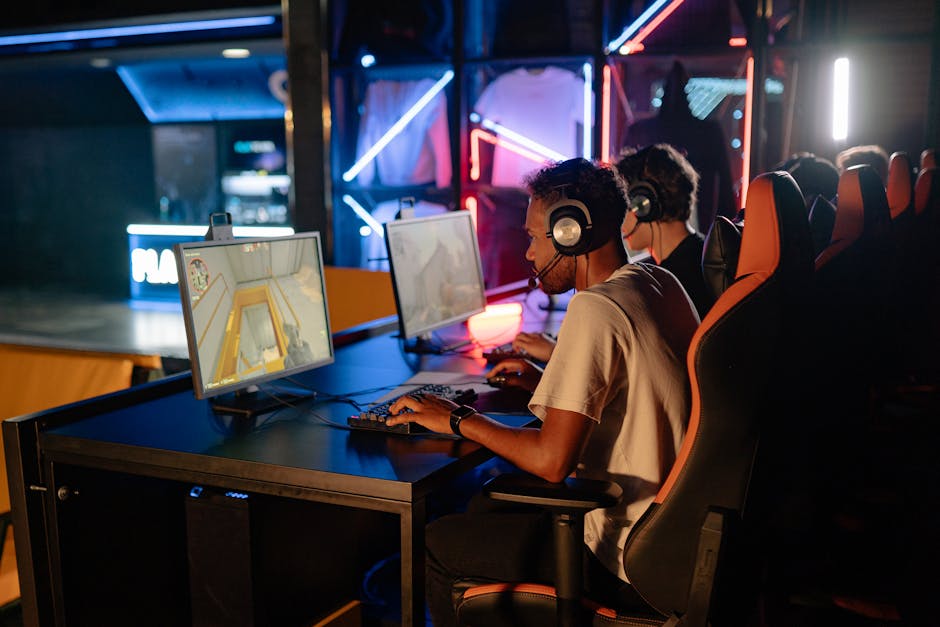
I’ve spent nine years in the trenches of esports. I’ve been the person coordinating the logistics, managing the hotel bookings, and sitting in the back of the practice room watching players slump over their keyboards at 2:00 AM after a grueling 10-hour block of high-intensity scrims. I’ve worked alongside team psychologists and strength coaches who genuinely care about the longevity of their roster, and I’ve seen the same pattern repeat itself endlessly: the belief that if you aren't playing, you're falling behind.
Let’s call this what it is: a structural failure. When you push for 10 hours of scrims without a deliberate off-ramp, you aren't "grinding." You are systematically degrading your cognitive hardware. If you’re a Visit this website player or a staff member reading this, I want you to stop thinking of recovery as "time off" and start thinking of it as an essential component of your training regimen. Because, let’s be honest—if you can’t think clearly in the final ten seconds of a map because your brain is fried from twelve hours of screen time, all that "grind" was wasted.
The Cognitive Cost of the 10-Hour Block
There is a dangerous myth in esports that high-level play is purely a function of mechanics. It isn't. High-level play is a function of executive function, pattern recognition, and rapid decision-making. When you play for 10 hours straight, you are inducing a state of cognitive fatigue that is scientifically measurable.
Your prefrontal cortex—the part of the brain responsible for complex decision-making, impulse control, and emotional regulation—begins to fatigue long before your hands feel tired. By hour eight, your ability to track enemy cooldowns or predict rotations isn't just "slower"; it's less accurate. You start defaulting to heuristics (habits) rather than analytical thought. In a tactical shooter or a MOBA, that is the difference between a clean win and a forced error.
And for those who say burnout is just a "lack of discipline"? Please. Burnout is the biological result of a brain that has been denied the downtime necessary for synaptic pruning and metabolic restoration. Calling it a lack of discipline is like blaming a car for breaking down after you drove it 5,000 miles without an oil change.
Sleep Quality and Reaction Time: The Unspoken Stat
If you take nothing else away from this, remember this: Sleep is when you actually learn. The neural pathways you built during that 10-hour scrim day are encoded during REM and slow-wave sleep. If you cut your sleep short to "get https://highstylife.com/the-aim-trap-why-youre-fragging-well-but-playing-dumb/ ahead," you are essentially deleting the save file of the practice you just put in.
My "Sleep Myths Teams Still Repeat" List
- "I can catch up on sleep on the weekend." No, you can't. You’ve already lost the neural encoding. "I play better when I’m tired because it relaxes me." That’s not relaxation; that’s your brain’s cognitive inhibitors failing. You’re just playing sloppy and you’ve lost the perspective to notice. "Late-night VOD review is the most productive time." Most players are functionally impaired by midnight. You aren't learning; you're just staring at pixels.
When sleep-deprived, reaction time slows, but more importantly, your accuracy of reaction drops. You might click the target, but you’re clicking the wrong one. You’re reacting to the distraction rather than the objective.
Structured Downtime: The Missing Link in Your Schedule
Recovery isn't just about closing the game. It’s about creating a transition between "high-alert mode" and "parasympathetic nervous system activation" (the rest-and-digest state). If you jump from a high-stakes, 10-hour scrim session straight into bed, your cortisol levels are still spiked. You’ll lay there for two hours, mind-racing, "re-playing" the mistakes of the day in your head. This is the scrim spillover effect that destroys your sleep quality.
To combat this, you need structured downtime. This is not just "hanging out." This is a deliberate, 60-minute window between the last match and the pillow.
Activity Impact on Recovery Why it works Non-screen movement (light stretching/walk) High Resets the posture and reduces ocular fatigue. Journaling VOD takeaways Medium "Offloads" the stress of the day from your brain. Blue-light blocking/Low light High Facilitates natural melatonin production. Passive entertainment (Books/Audio) Medium Engages the brain differently than competitive gaming.Building a Robust Recovery Routine
To optimize your sleep routine, you have to treat it with the same surgical precision you apply to your crosshair placement. Here is a framework that actually works:
The 60-Minute Hard Stop: If practice ends at 10:00 PM, you have until 11:00 PM to finalize your notes and shut down the PC. No "one last game." No "checking the Discord." The day is done. Cognitive Offloading: Many players can't sleep because they are worried about tomorrow’s scrims. Write down your "to-do" list for tomorrow. Once it’s on paper, your brain no longer feels the need to keep it in the active memory buffer. The Temperature Drop: Your core body temperature needs to drop to initiate deep sleep. A hot shower or bath 60 minutes before bed helps facilitate this by drawing heat to the surface of your skin. The Environment Check: Keep the room dark and cool (around 65°F / 18°C). If you’re a pro, stop treating your room like a basement. Your sleep environment is part of your professional infrastructure.Reframing the Grind
The glorification of all-nighters and 12-hour scrim marathons is an outdated relic of the early 2010s. Modern performance—the kind that wins championships—is built on consistency and cognitive clarity. You cannot maintain a high level of performance if your system is constantly red-lining. The goal of a professional is not to play the most hours; it is to play the highest *quality* hours.

When I talk to teams about this, I often see the pushback: "We don't have time." My answer is always the same: You don't have time *not* to. If you are playing ten hours at 60% capacity, you would get more value from six hours at 95% capacity. It is the definition of efficiency.
So, we’ve talked about the science of cognitive fatigue, the necessity of sleep for neural encoding, and the importance of an off-ramp. We’ve moved away from the "discipline" myth. Now, we have to address the only question that matters.
What changes on Monday?
Don't tell me you're going to "optimize your routine." That's vague, useless advice. Be specific. Are you going to enforce a hard stop at 10:00 PM? Are you going to pull the monitors away from your bed? Are you going to document your post-scrim feelings to track your own burnout markers? Pick one thing, implement it, and watch how your decision-making improves by Tuesday afternoon. The grind isn't supposed to kill you; it's supposed to train you. Start acting like it.